MS's New TPM Rule Won't Stop Your Pirated Windows from Working
On July 22, MS published a document introducing KMS Hardware-Secured, a new requirement that ties Windows volume activation servers to a TPM chip. This announcement sparked questions from readers about whether MS is finally cracking down on pirated Windows 11 copies.
The confusion stems from several tech publications that correctly reported the TPM attestation aspect but inaccurately linked it to the discontinuation of the KMS38 piracy method in November 2025, predicting the end of pirated Windows activations altogether.
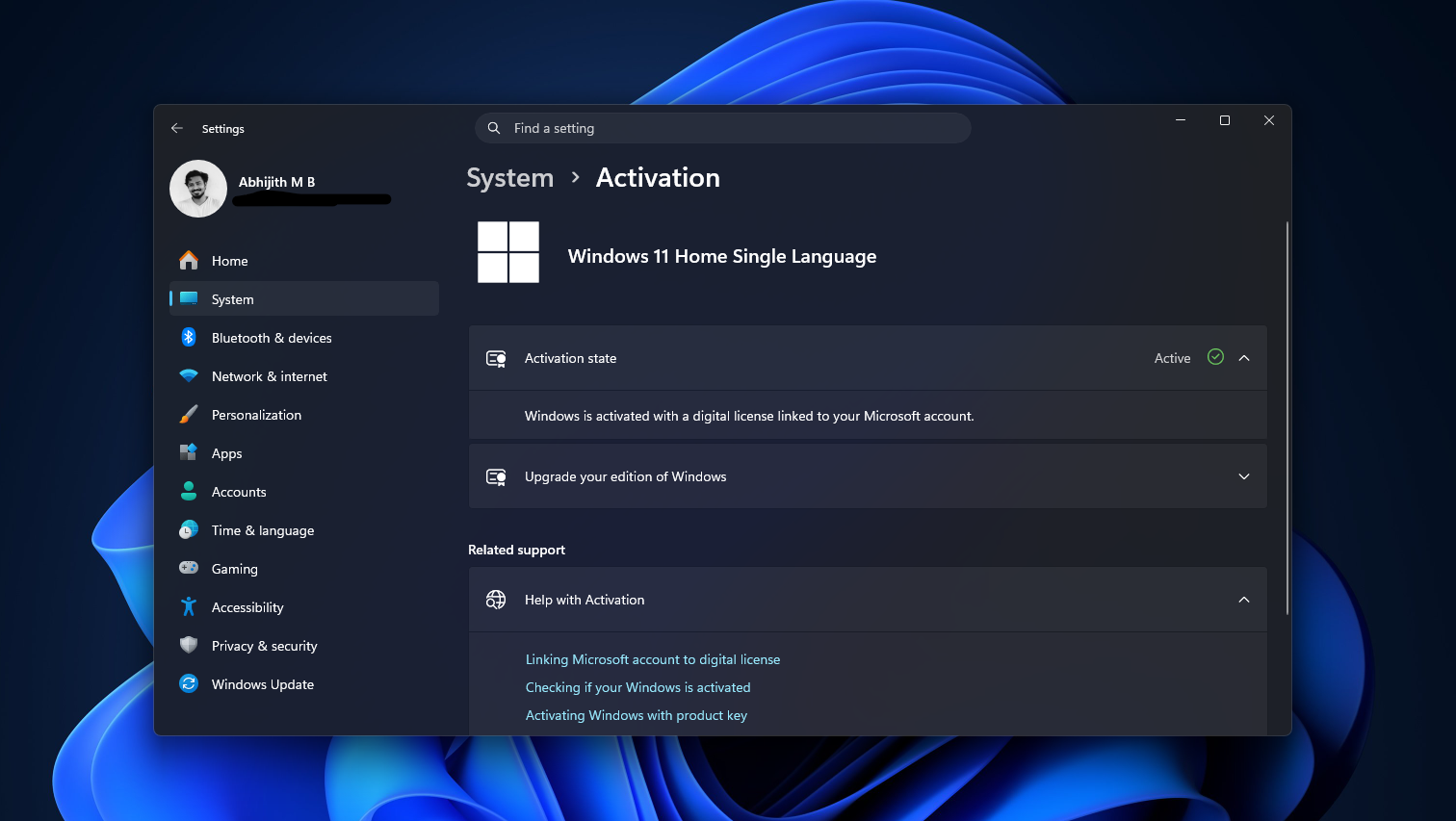
The good news is that MS is not targeting pirated Windows copies for individual users. However, this change does impact organizations that run their own KMS servers.
What is KMS?
KMS, or Key Management Service, is a volume licensing tool designed for organizations. It allows companies to manage activations of Windows and other MS products internally. Starting with Windows Server 2025, readiness alerts for TPM attestation will begin appearing in August 2026. This requirement will become mandatory with the release of the next Windows Server LTSC version, though a release date has not yet been announced.
Disclaimer: To be clear, this article does not endorse piracy. The goal is to clarify misinformation surrounding this topic.
Why is MS Introducing This Change?
According to MS's documentation, attackers have exploited fake or cloned KMS servers to activate Windows devices they are not licensed for. These rogue servers, appearing legitimate within a company’s network, can silently provide unauthorized licenses.
KMS Hardware-Secured introduces a two-step verification process via TPM to ensure the legitimacy of KMS hosts before they can distribute activations. If a KMS host fails either verification step, it will not be allowed to hand out licenses.
How Does This Work?
- For physical KMS hosts, organizations must ensure the device is certified in the Windows Server Catalog and that its TPM is installed and enabled.
- For virtual KMS hosts, MS has not yet released detailed guidance. Future updates will clarify the requirements for virtual setups.
Admins can check TPM readiness by running the following command in an elevated PowerShell session:
Get-TpmSupportedFeature -FeatureList “Key Attestation”
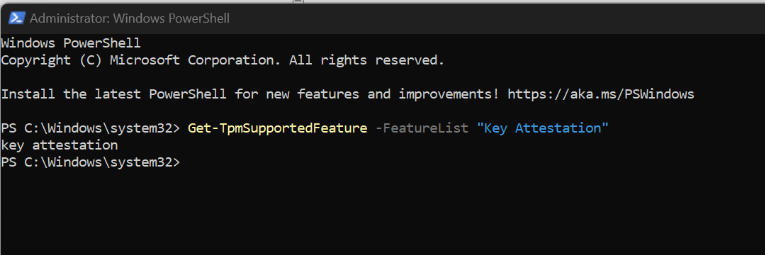
If the machine supports the feature, it will return “key attestation,” confirming the capability is available. Starting in August 2026, Windows Server 2025 will display readiness status for this requirement. Running the command slmgr /dlv on a KMS host will indicate whether the device meets the hardware-based security requirements. Additionally, the Event Viewer will log the status under Applications and Services Logs > Key Management Service.
For now, this change does not block existing KMS activations. Current deployments will continue to function as usual until the new LTSC release enforces the mandatory requirement.
MS Isn’t Cracking Down on Pirated Windows for Regular Users
Some media outlets have incorrectly framed KMS Hardware-Secured as MS's effort to stop pirated Windows activations, leading to headlines suggesting TPM chips are the company’s new weapon against piracy. This has caused worry among users relying on pirated Windows 11 installations.
However, KMS Hardware-Secured does not affect individual PCs. Instead, it focuses on the servers organizations use to activate Windows devices. These servers must have a TPM chip capable of verifying their identity to MS.
Some publications also referenced KMS38, a piracy method disabled by MS in November 2025, to suggest a broader anti-piracy crackdown. However, KMS38 exploited a Windows upgrade helper file to fake activation dates. This issue was unrelated to TPM or KMS servers and was resolved through a separate fix.
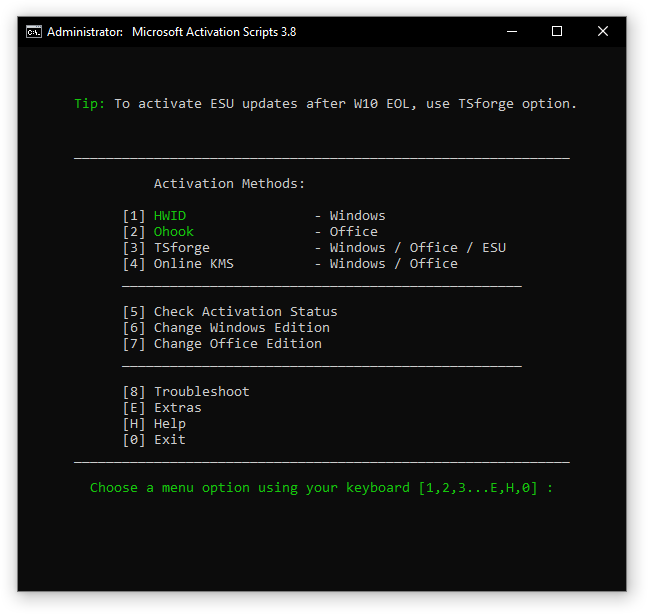
Other common piracy methods, such as Online KMS and HWID activation, are also unaffected by this change:
- Online KMS involves setting up a fake server that responds to activation requests as a legitimate KMS host would, bypassing the need for TPM verification.
- HWID activation registers a device’s hardware ID with MS’s activation servers as a legitimate digital license, circumventing the need for a KMS host.
In summary, the new KMS Hardware-Secured measures do not impact existing piracy methods. However, this raises a larger question: why is Windows piracy still so prevalent?
Why Windows Piracy Remains Widespread
While MS has demonstrated its ability to implement robust anti-piracy measures, the company has shown little interest in targeting individual users of pirated Windows copies. A major reason is the cost of a legitimate Windows license. For instance:
- A Windows 11 Home license costs $139.
- A Windows 11 Pro license costs $199.
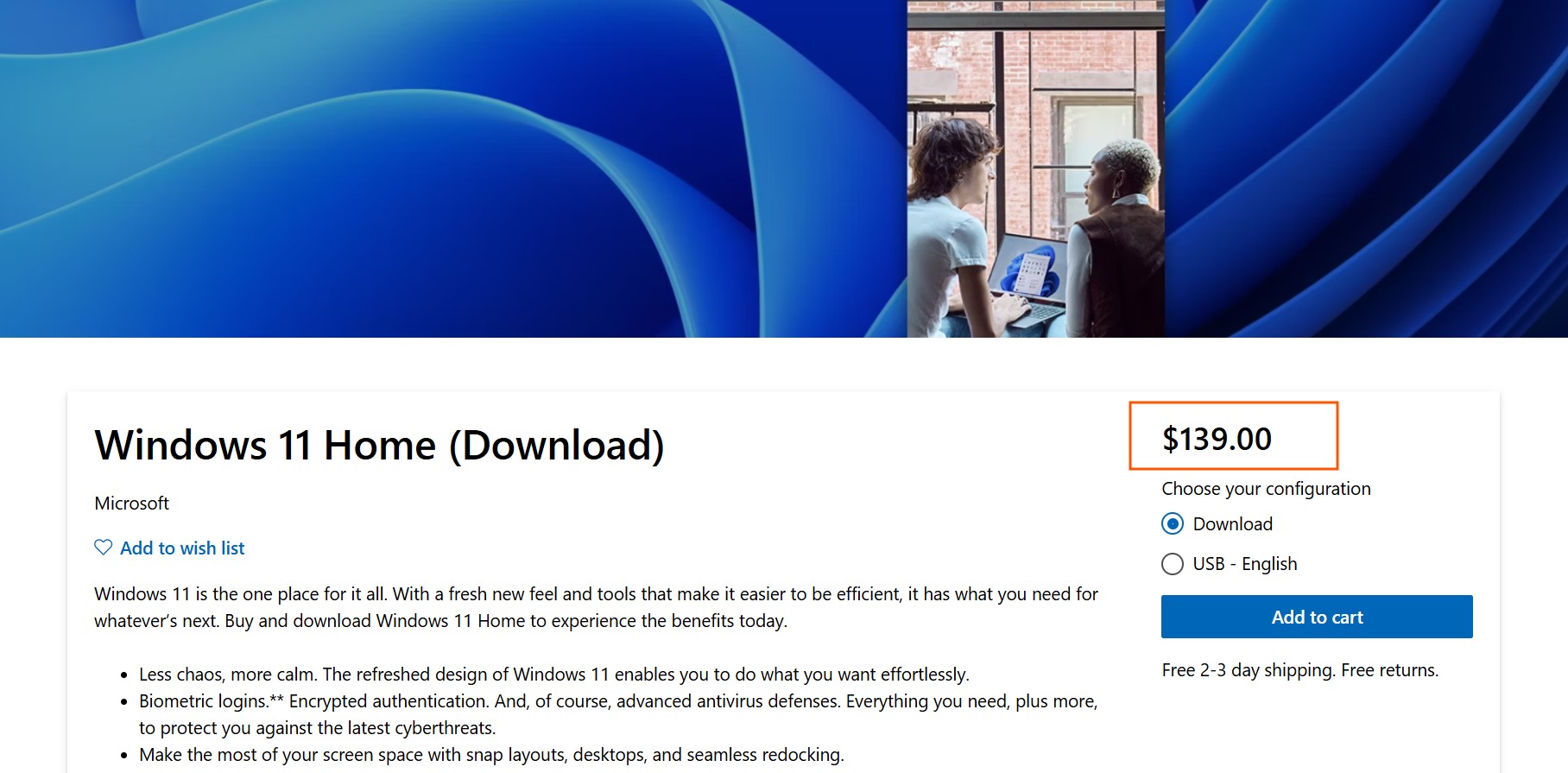
For budget-conscious users building their own PCs or purchasing inexpensive laptops, the additional cost of a Windows license can be prohibitive. This is why tools like Massgrave remain popular years after MS began trying to curb piracy.
Massgrave’s FAQ notes that MS has historically avoided taking individual users to court over a few pirated activations, as the legal costs would outweigh any potential recovery. Instead, MS’s revenue strategy increasingly focuses on subscriptions and services, such as MS 365, OneDrive, Copilot, and MSN advertisements. This strategy holds regardless of whether the user’s Windows license is legitimate.
In recent years, Windows 11 has been criticized for being overloaded with upsells. MS has since acknowledged this and promised a “calmer” user experience. For instance, it has disabled MSN feeds and ads in Widgets by default. However, the underlying incentive to prioritize user retention over license compliance has not changed. MS appears more concerned with keeping users within its ecosystem than enforcing individual Windows license payments.
Windows Latest relies on readers like you. Make us your preferred source on Google Discover and Google Search to help our independent reporting reach more people.