Windows 11 Introduces Unified Memory Control for GPU and AI Tasks
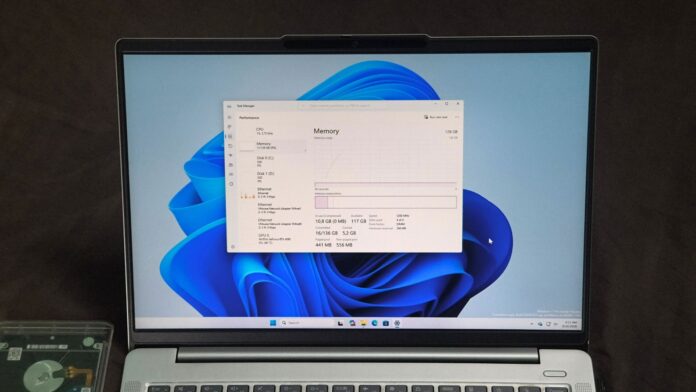
Windows 11 is introducing a new feature that allows users to control how much unified memory is allocated to graphics and AI workloads. This adjustment provides flexibility to either free up more RAM for other applications or reserve additional memory for running local AI models, depending on the user’s priorities.
What is Unified Memory?
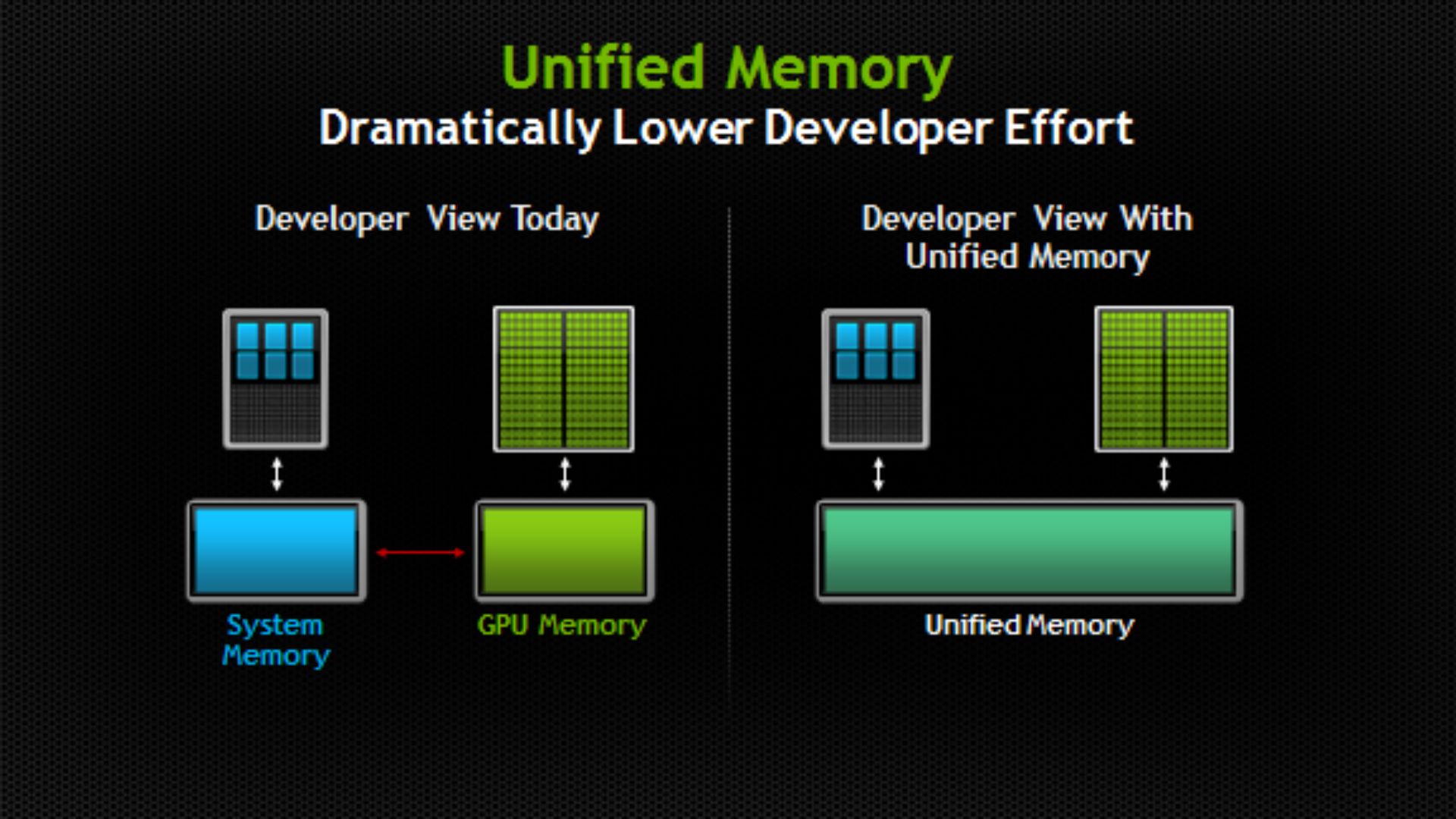
Unified memory refers to a single, high-bandwidth memory pool shared between the CPU, GPU, and other accelerators, rather than the traditional split between system memory and dedicated video memory. Popularized by Apple’s M series chips, unified memory has proven particularly beneficial for local AI applications.
Recent references in internal NVIDIA documentation, as reported by Windows Latest, indicate that Windows is gaining more control over unified memory allocation. This was further confirmed by findings in Windows 11 preview builds, which include a hidden feature named IntelligentCarveout with feature ID 61121285 and a new file named SettingsHandlers_UnifiedMemory.dll.
Key Strings Found in Windows 11 Builds
- “Reserved memory for accelerators”
- “Memory for graphics and AI acceleration”
- “Let Windows reserve additional unified memory for graphics and AI intensive games and applications. Reserved memory is not available for other applications.”
As an unreleased feature, MS has not provided official documentation or mentioned it in release notes, leaving room for speculation about its final implementation.
Industry Adoption of Unified Memory
Traditional laptops with discrete GPUs allocate memory into two separate pools: system RAM for the CPU and VRAM for the GPU. However, platforms such as NVIDIA’s RTX Spark, AMD’s Ryzen AI Max “Halo,” and others are embracing unified memory for better performance across AI, gaming, and creative workloads.
Windows already lists “Shared GPU Memory” in Task Manager, which dynamically uses system RAM alongside dedicated GPU memory. However, the new IntelligentCarveout feature appears to create a fixed reservation specifically for graphics and AI workloads, making it unavailable for other applications. This would mark a departure from the current approach and provide users with more control over memory allocation.
Comparison with macOS
Unlike macOS, which does not allow users to adjust unified memory allocation, Windows aims to provide flexibility for different workloads. This aligns with Windows’ broader usability across gaming, AI, and general computing, making it a more versatile platform for diverse user needs.
RTX Spark: A Game Changer for Unified Memory
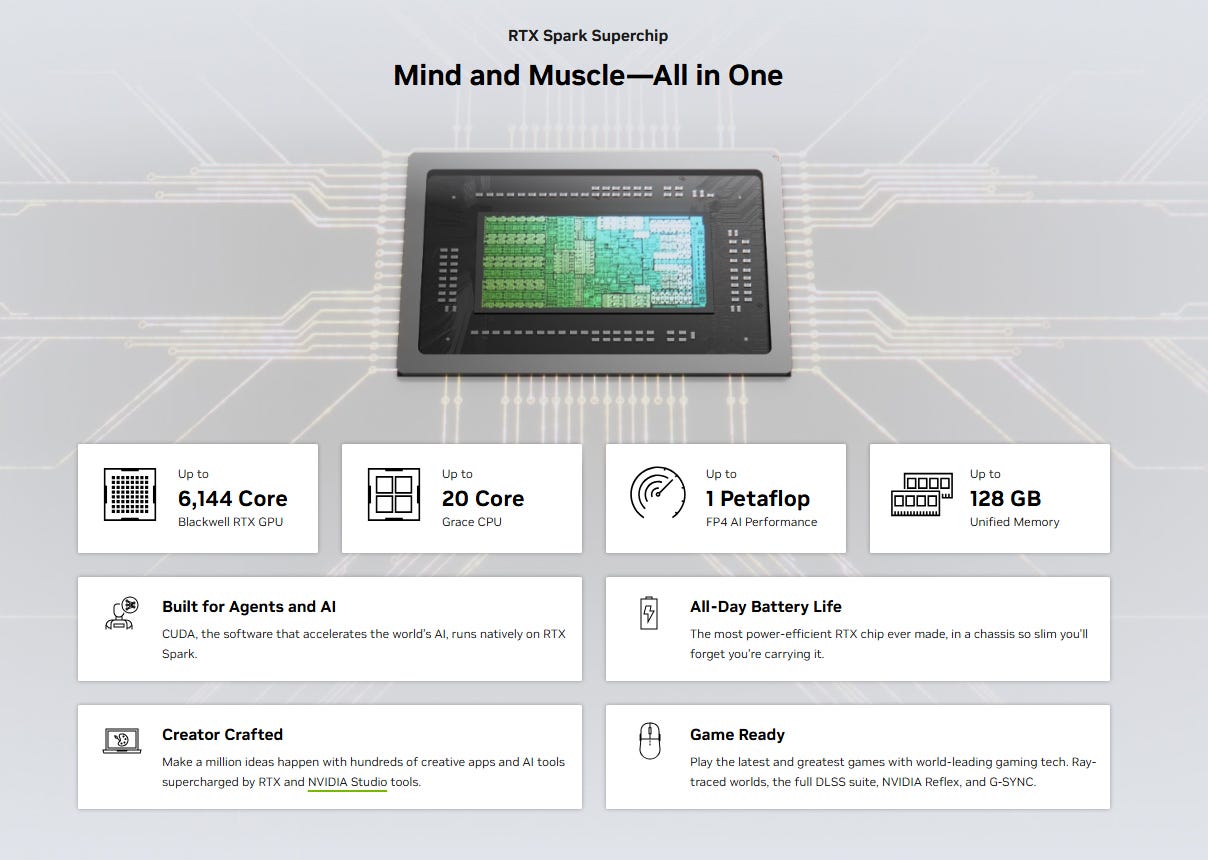
NVIDIA’s RTX Spark platform is set to revolutionize Windows PCs with up to 128GB of unified memory shared between a Blackwell GPU and a Grace Arm CPU. This unlocks new possibilities for running large local AI models while maintaining excellent performance for gaming and creative tasks.
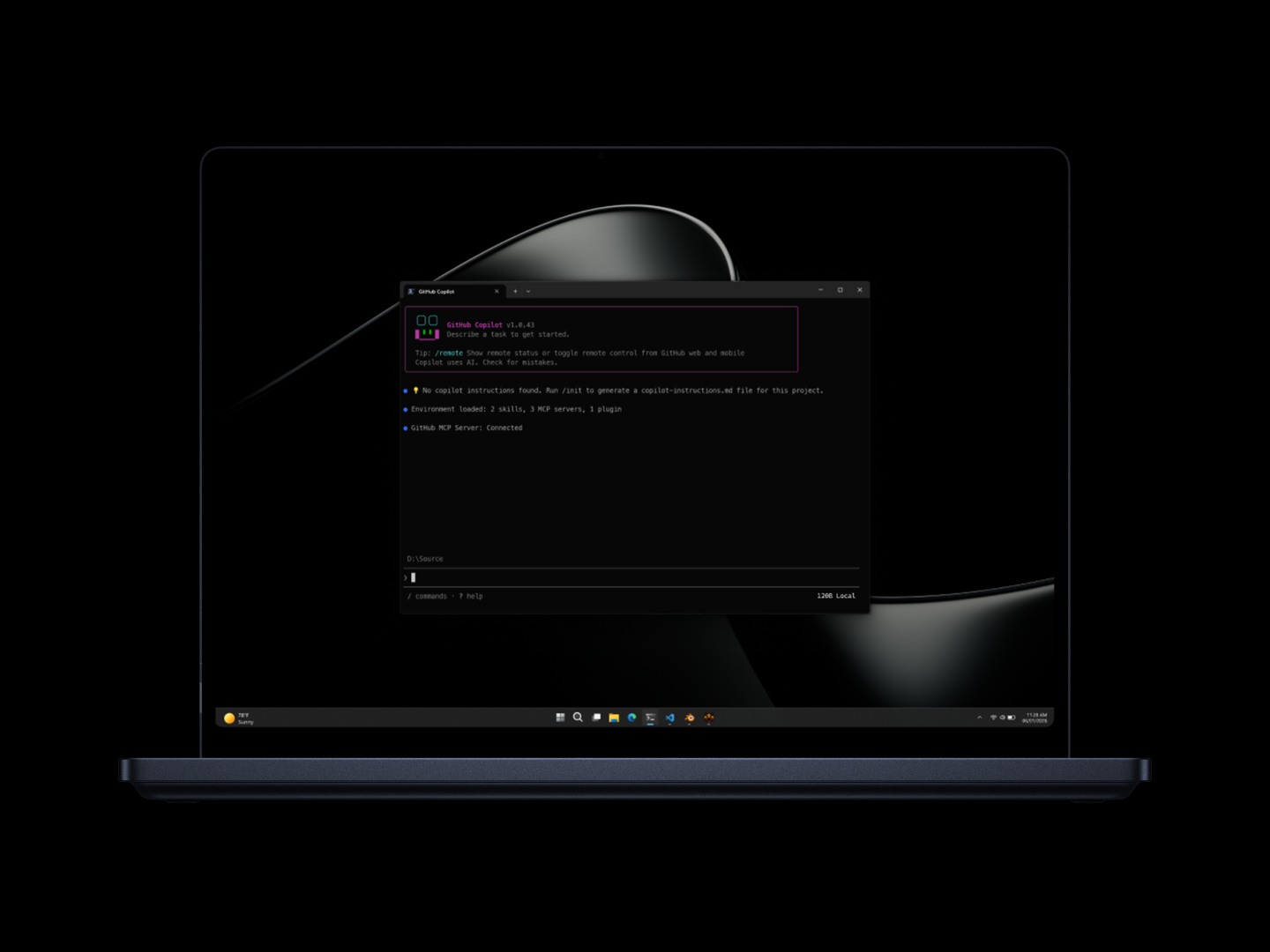
Unified memory carve-out settings could be particularly beneficial for RTX Spark, allowing users to allocate resources based on specific workloads. For example, AI-intensive tasks can benefit from increased reserved memory, while gaming workloads may prioritize leaving memory available for other uses.
Windows Optimizations for RTX Spark
MS is actively optimizing Windows 11 for RTX Spark with new features like Workload Profile Scheduling, which enhances scheduling, memory management, and power efficiency. NVIDIA CEO Jensen Huang highlighted that RTX Spark is designed to run every Windows app, leveraging native Arm64 support and Prism emulation for x86 software.
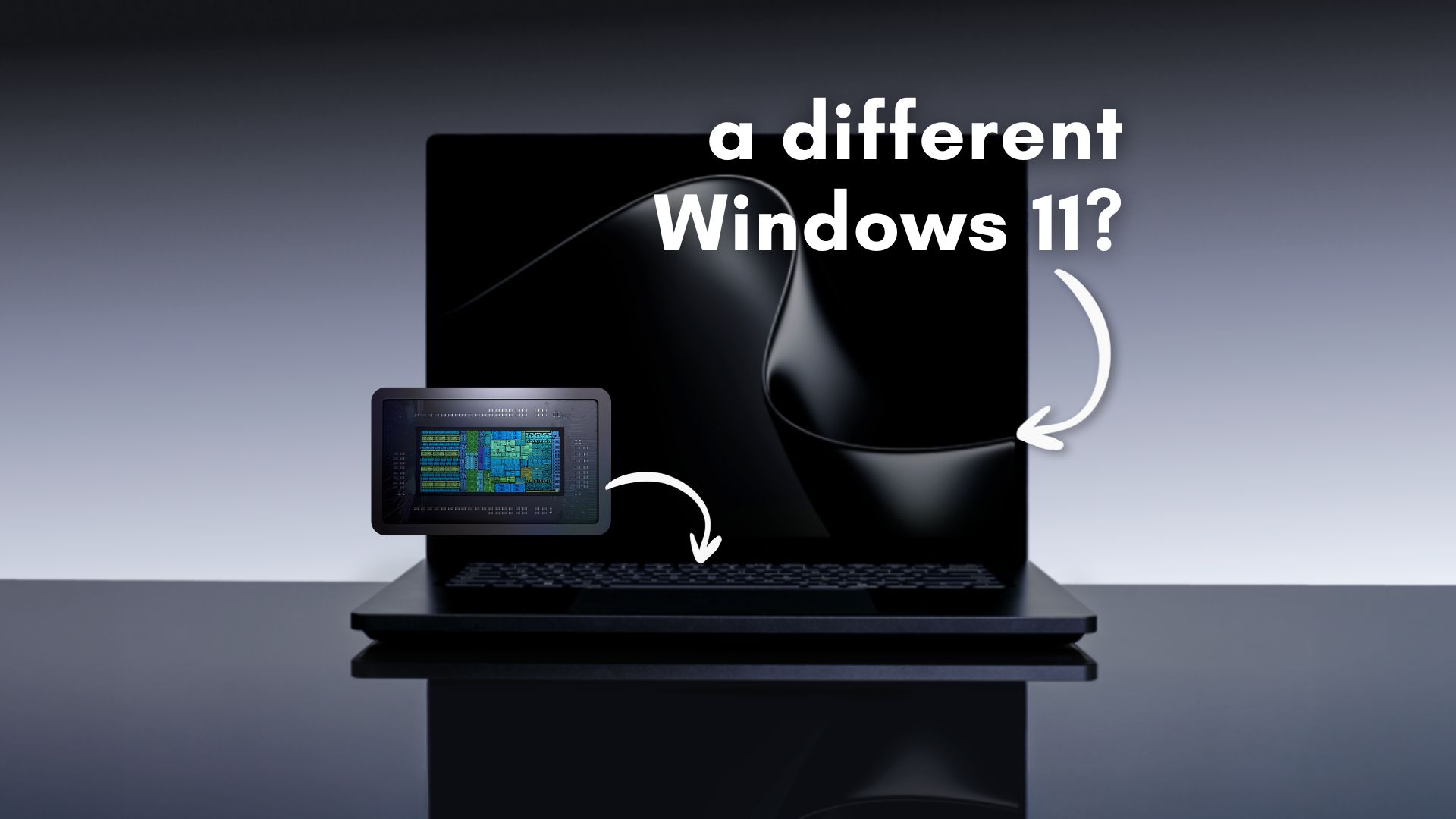
Additionally, NVIDIA has released a developer-preview GeForce driver (version 616.00) for Windows 11 on Arm, confirming configurations with up to 6,144 CUDA cores.
Upcoming Hardware Featuring RTX Spark
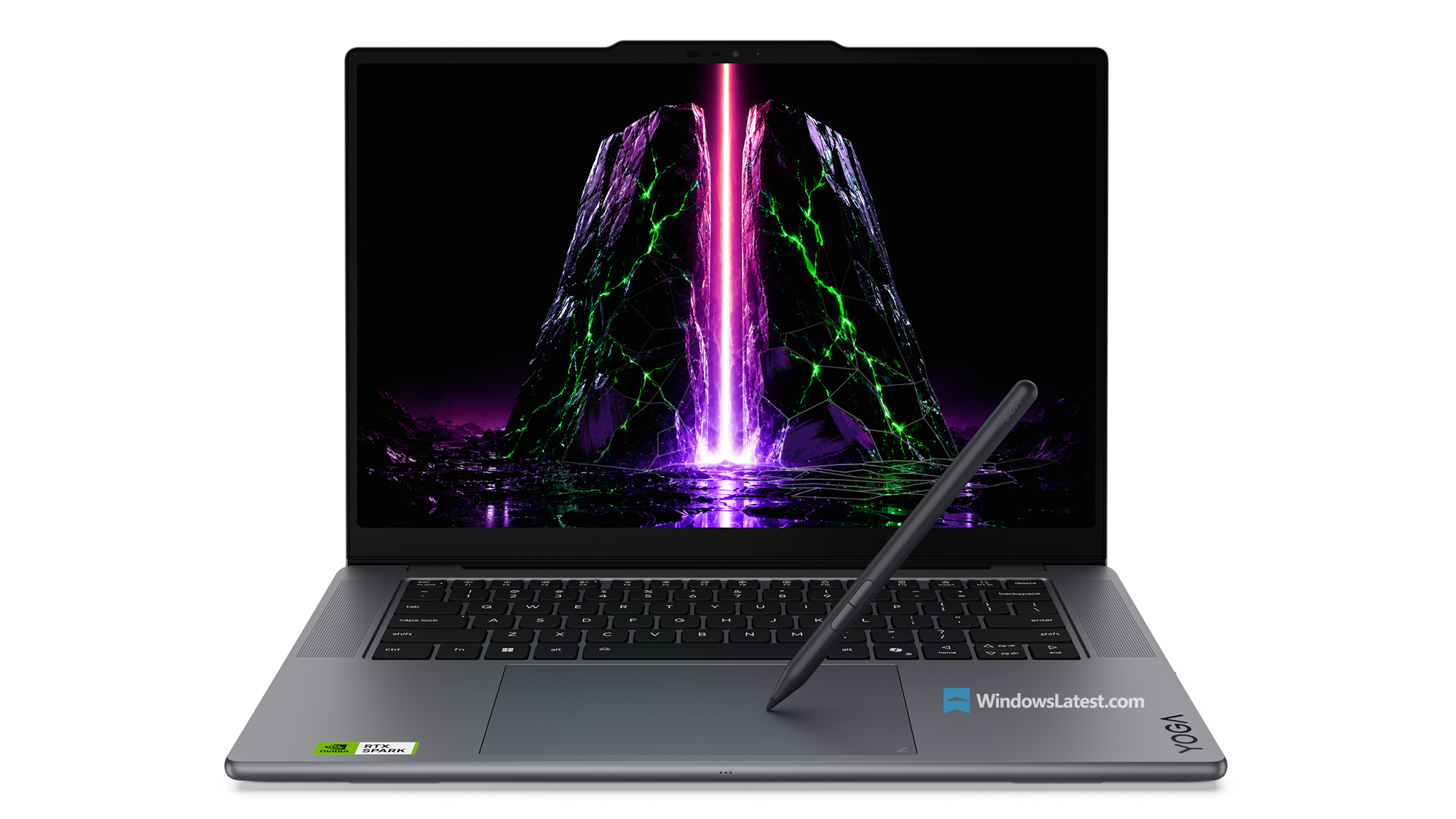
NVIDIA’s RTX Spark laptops and mini PCs are expected to ship this fall, with manufacturers such as MS, Lenovo, ASUS, Dell, HP, and MSI leading the charge. Notable devices include the Surface Laptop Ultra and Lenovo’s Yoga Pro 9n series.

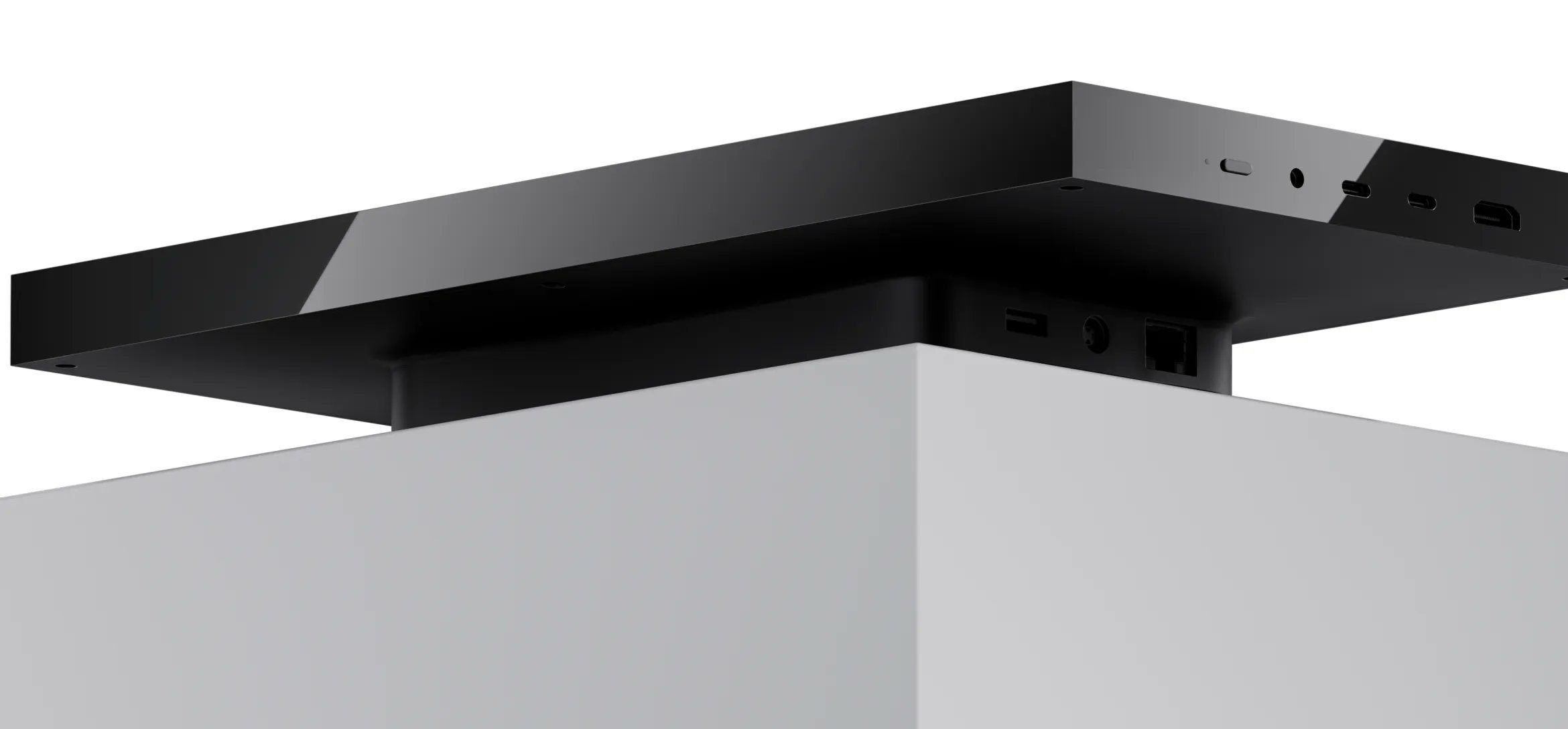
Meanwhile, the Surface RTX Spark Dev Box offers 128GB of unified memory in a compact desktop form factor for developers. Early benchmarks suggest that RTX Spark outperforms competitors like AMD’s Ryzen AI Max+ 395 and Intel’s Core Ultra X9 388H in multi-core performance, even on pre-release hardware.
Conclusion
The introduction of unified memory control in Windows 11 represents a significant step forward for the platform, particularly as the industry adopts unified memory across CPUs, GPUs, and accelerators. The IntelligentCarveout feature, combined with the upcoming RTX Spark hardware, is poised to enhance performance across AI, gaming, and creative workloads.
While MS has not officially announced the feature, references in Windows preview builds and NVIDIA documentation suggest that unified memory control could become a cornerstone of future Windows releases, benefiting both developers and consumers alike.