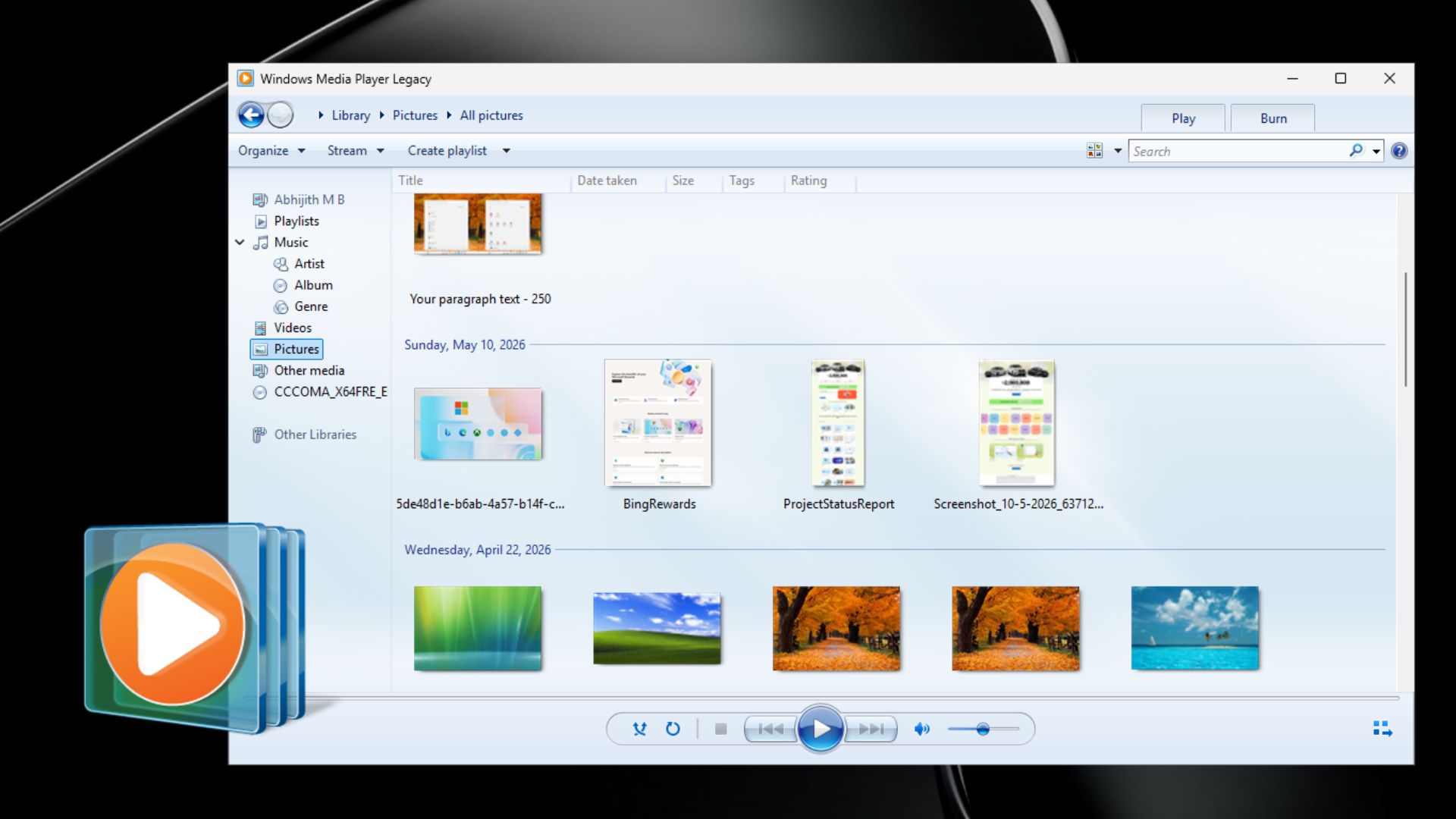
Windows Media Player Legacy will lose skin support on Windows 11 in November, ending one of the most enjoyable features of the early-2000s player. MS wants users to switch to the modern Media Player, which is slower and overly basic.
MS has added a warning to its old Windows Media Player skin documentation, marking the end of one of the classic player’s most nostalgic features.
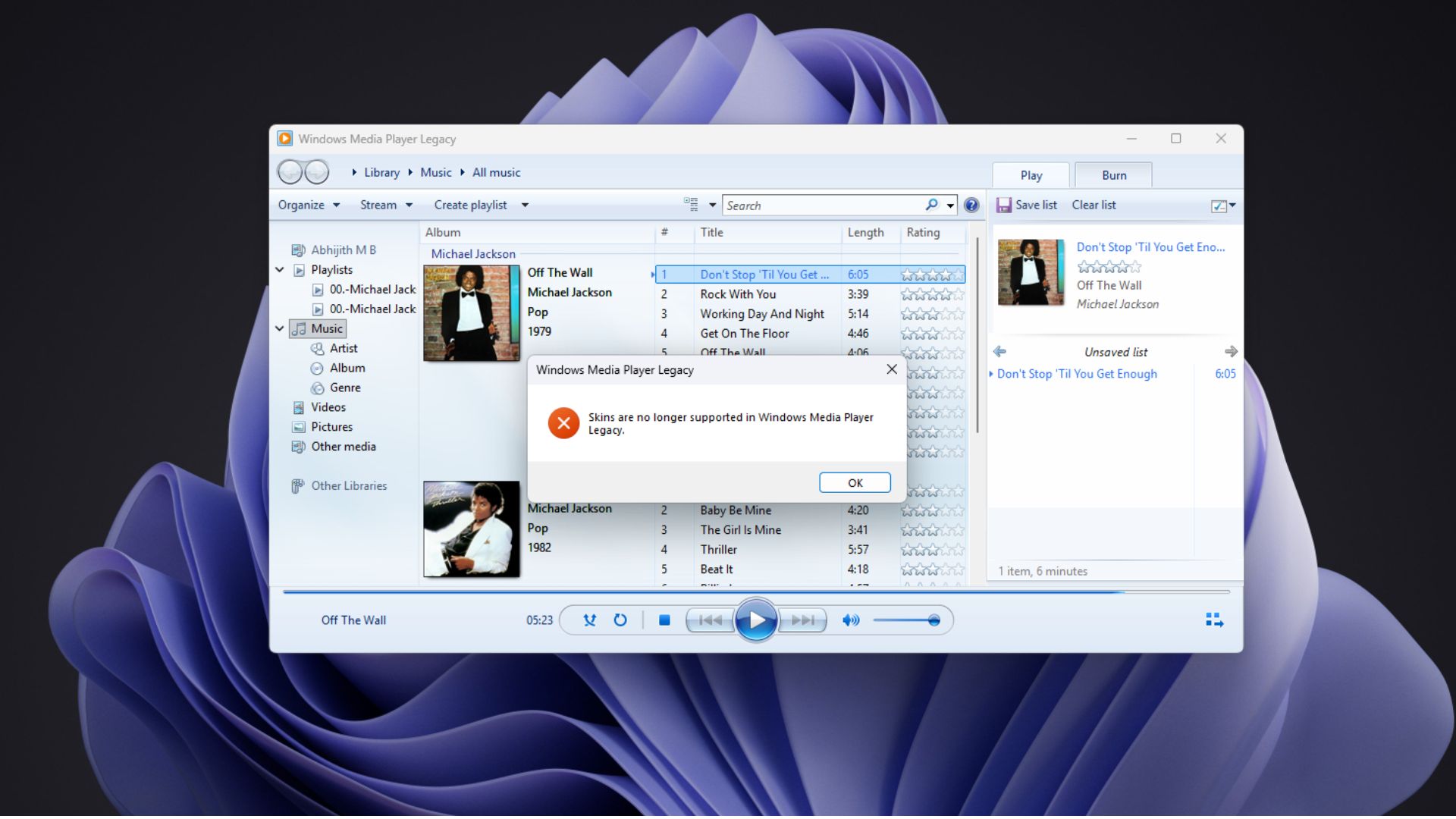
“Skins will no longer be supported in Windows Media Player Legacy (WMPL) starting November 10, 2026, on Windows 11 version 24H2 and later,” MS says.
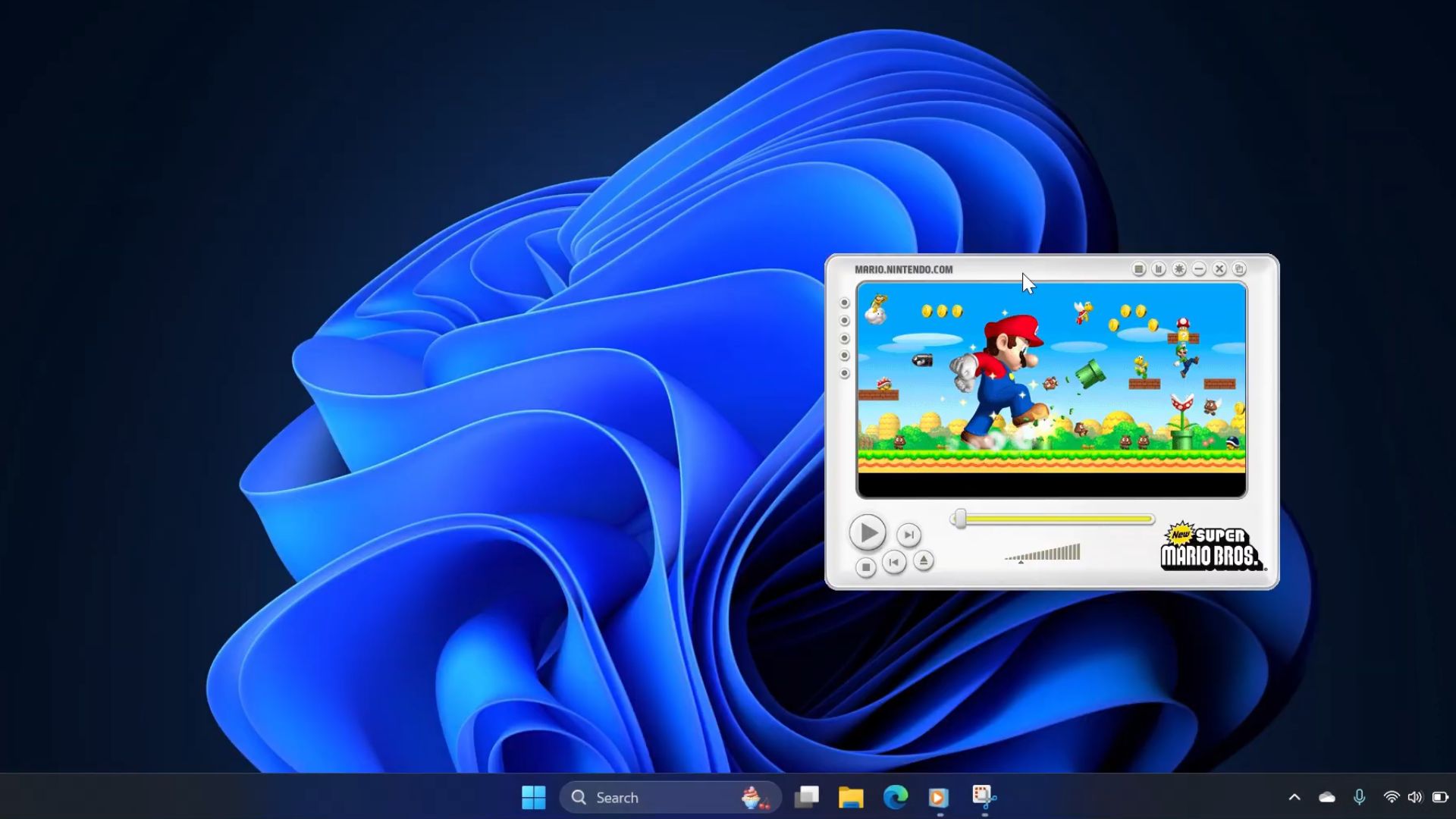
Windows Media Player Legacy will remain available on PCs. Only the skin system will stop working on Windows 11 version 24H2 and later, including the newly released version 26H2.
For those who missed that era, skins were complete interfaces for the player. According to MS’s skin documentation, a skin could change “not only the way Windows Media Player looks, but how it functions.” A .wms file defined the skin, while a .wmz file bundled it with its artwork and JScript files. It was a fun time.
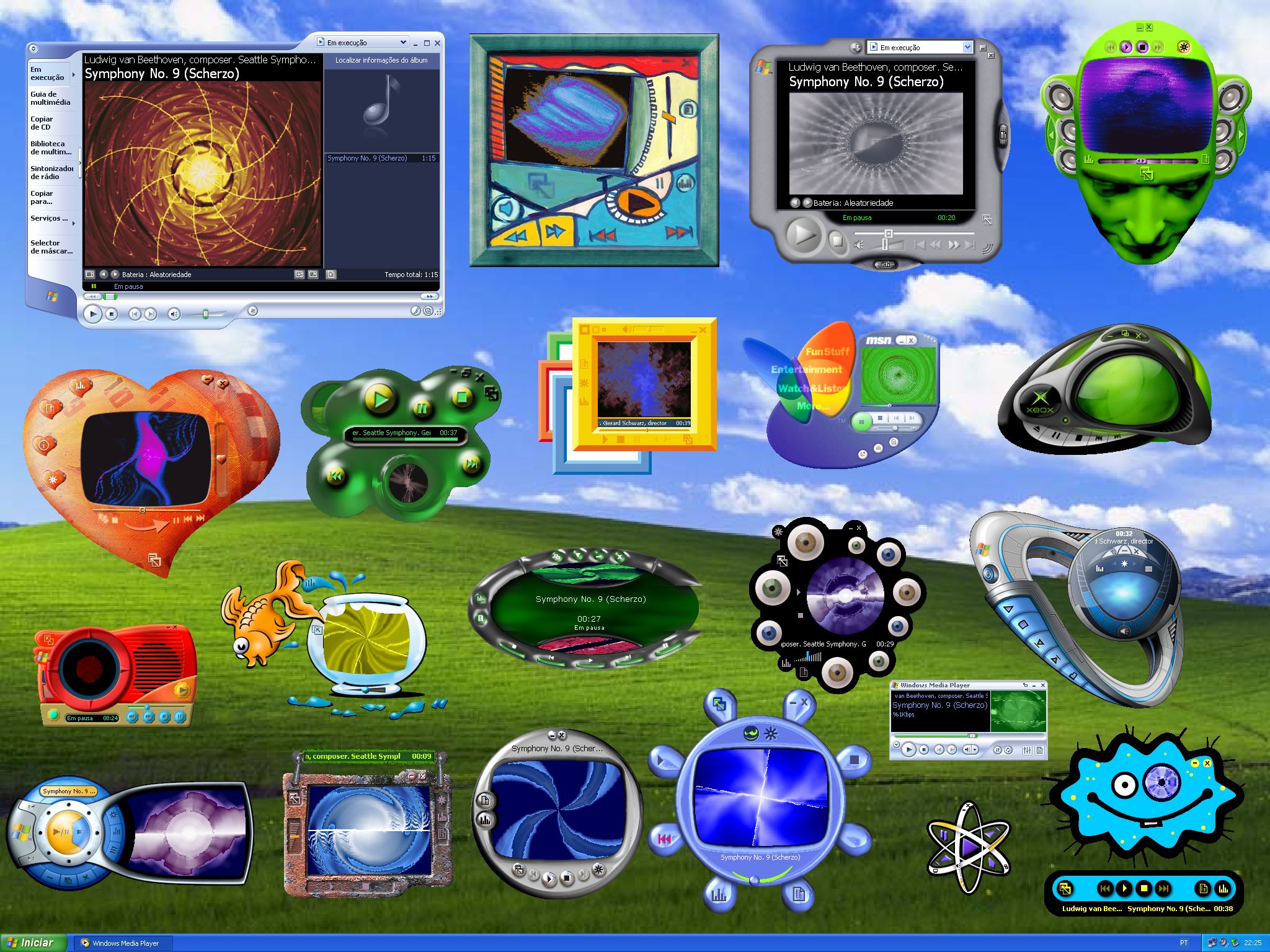
Windows Media Player Skins Let People Make the App Their Own
Skins arrived with Windows Media Player 7 in 2000, when MS was competing with Winamp for a place on users’ desktops. In December of that year, MS released a Bonus Pack featuring new skins and a tool that could convert “any of the thousands of existing Winamp skins” into Windows Media Player skins.

Today’s app themes typically change an accent color or background. By comparison, a Windows Media Player skin could completely reshape the player around a favorite band, movie, game, or futuristic gadget. MS even provided a skin guide so anyone could design the artwork and write the code.
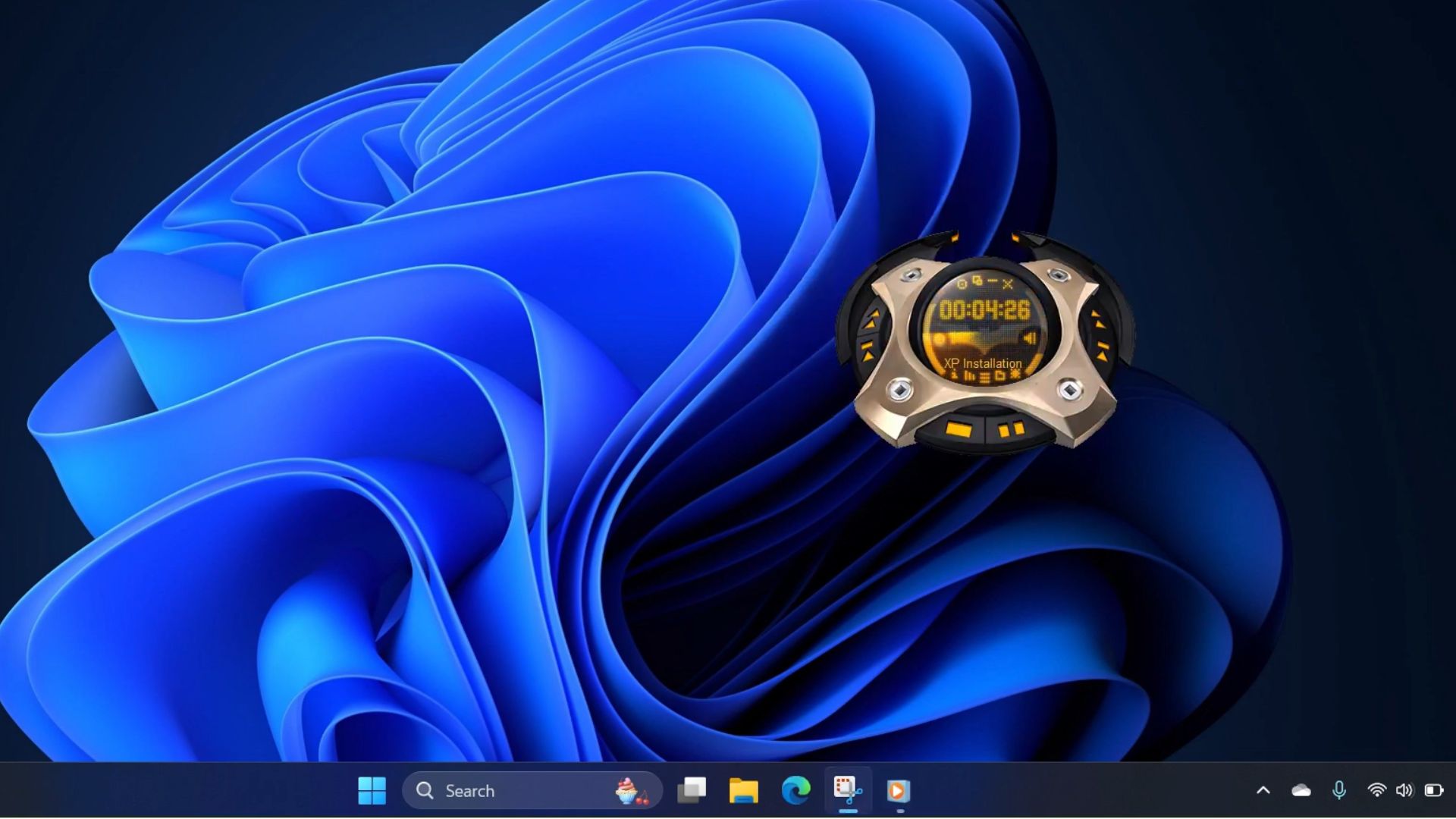
On a 2000s nostalgia subreddit, one Reddit post called these skins “peak creativity,” with users wishing MS would bring them back. In another thread, users immediately recalled the Batman, Terminator 3, and Alien Invaders skins. A recent Windows 11 discussion also praised how much more character the old player had during the Windows 7 and Vista era.
Of course, not everyone loved Windows Media Player. Many people in these discussions remembered Winamp, Sonique, VLC, or foobar2000 as their preferred media players.
We may not want a Batman-shaped media player in 2026, but what is being lost is the idea that older Windows software allowed users to experiment and play with the software itself.
MS Wants Users on the Modern Media Player, but It Still Has Much to Prove
Skins are not the first feature Windows Media Player Legacy has lost. In 2024, MS began shutting down legacy DRM services for the original player on Windows 7 and 8. In August, a Windows 11 test build blocked captions in Legacy Media Player and displayed a prompt directing users to move to Windows Media Player.
So, what is waiting on the other side?
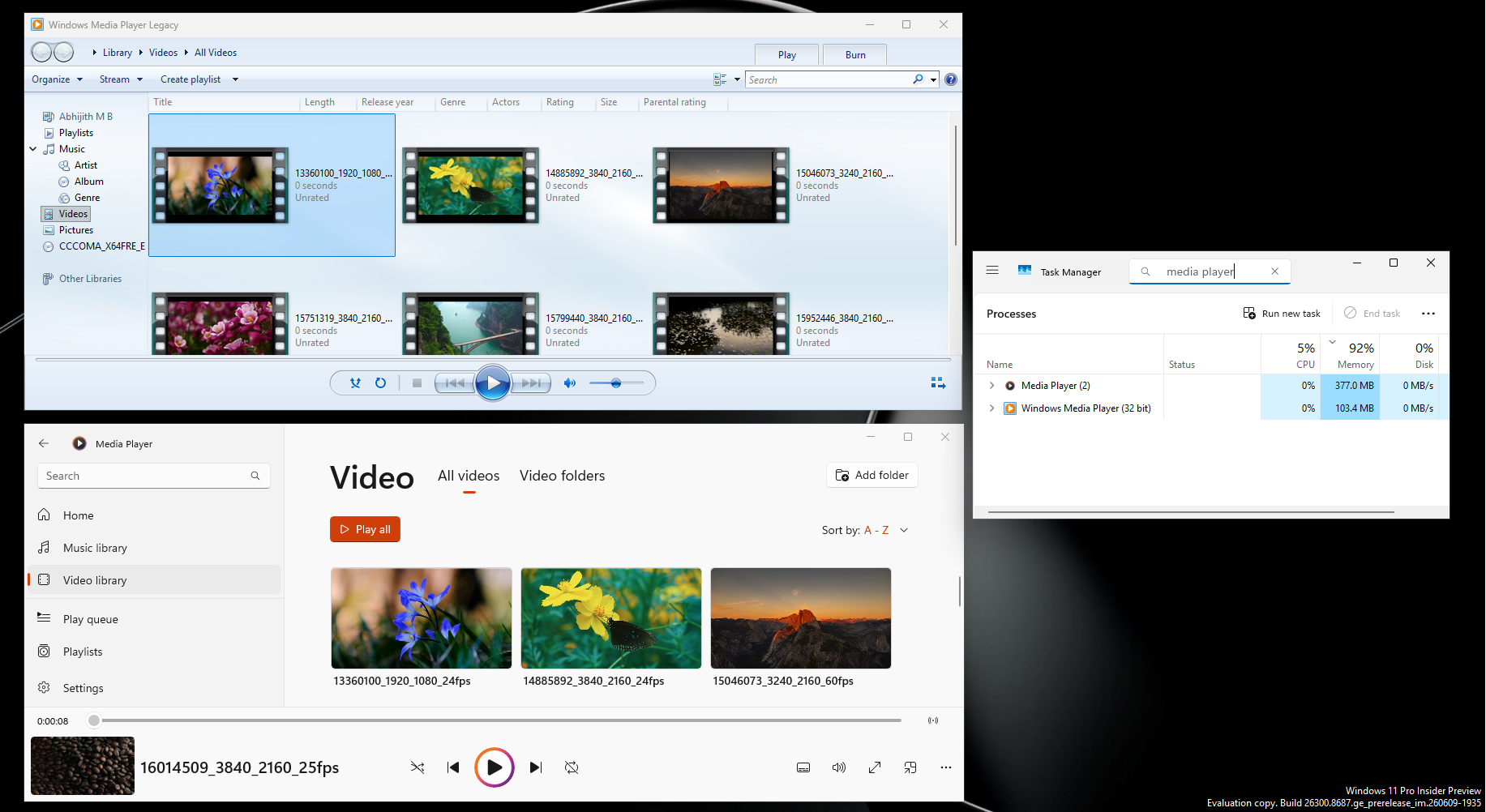
When I tested both players in June, the modern Media Player used approximately 377 MB of RAM while idle, compared with roughly 103.4 MB for Legacy. It also took noticeably longer to open a video that Legacy played almost instantly.
The modern player also asks users to purchase the $0.99 HEVC Video Extensions to play HEVC files, even though the codec is now widely used and is the default for the iPhone’s video camera. Legacy played the same files without requiring a purchase. This is also on Windows 11, which is not a free operating system to begin with.
MS replaced a player with personality with one that is modern but strangely empty.
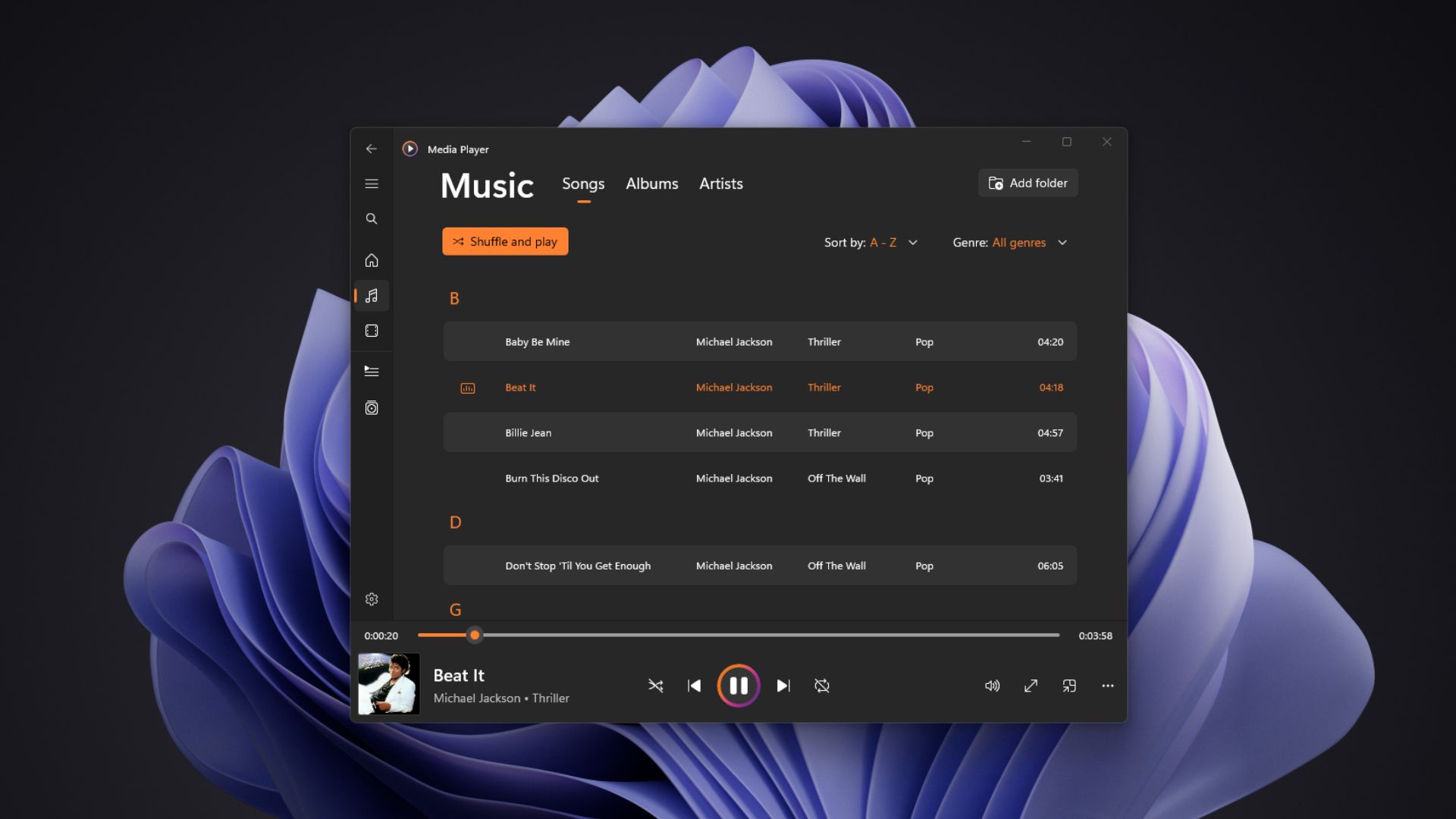
To be fair, MS told us that it has not stopped developing the modern Media Player, which continues to receive updates. However, it needs to become faster, lighter, and better at supporting codecs before people stop installing VLC on day one.
I would also like to see Android and iOS versions of Windows Media Player with library syncing. Many people use VLC on their phones first and then naturally download it on their PCs because they already trust it. MS could similarly build familiarity with its new player.
Redmond does not need to bring back skins. It needs to make Windows’ built-in apps worth choosing again.
Windows Latest depends on readers like you. Make us your Preferred Source on Google Discover and Google Search, and help our independent reporting reach more people.