MS’s Secret Tool Streamlines Windows 11 and Creates a Ready-to-Code PC
For developers setting up a new PC, configuring Windows can be a frustrating process that takes nearly an hour. Even if you skip updates during the out-of-box experience, you are still presented with numerous upsells that must be declined. Once you finally reach the desktop, you must also contend with bloatware and default settings that may be unnecessary for development work.
The next hour can easily be spent enabling Developer Mode, file extensions, and hidden files; turning off Start recommendations; disabling Widgets; cleaning up Search; and installing PowerShell 7, Git, VS Code, WSL, and numerous other tools individually.
MS has now automated this entire process. Windows Developer Config is MS’s open-source project for turning a fresh Windows 11 installation into a ready-to-code machine with a single command.
We previously covered Project Zenith, MS’s developer-focused Windows setup designed for specially configured hardware requiring 64GB of RAM. Windows Developer Config is the version that anyone can run on an ordinary PC, with no special hardware required.
I installed a fresh copy of Windows and tested Windows Developer Config. Here is what it changes in the operating system—and what it does not disclose until you have already committed to the process.
Windows Developer Config Rebuilds a Fresh Windows 11 Installation with One Command
MS describes this as an “opinionated” developer workstation setup. It is idempotent, meaning that every change is checked against the system’s current state before anything runs. Re-running it on a machine that already has these settings simply confirms them instead of repeating the work. The current build performs 50 individual steps across 11 phases, with each step structured as a check, an application, and a second check.
The launch command is a single PowerShell one-liner. You do not need to clone the repository, but you should ensure that at least 15GB of free space is available.
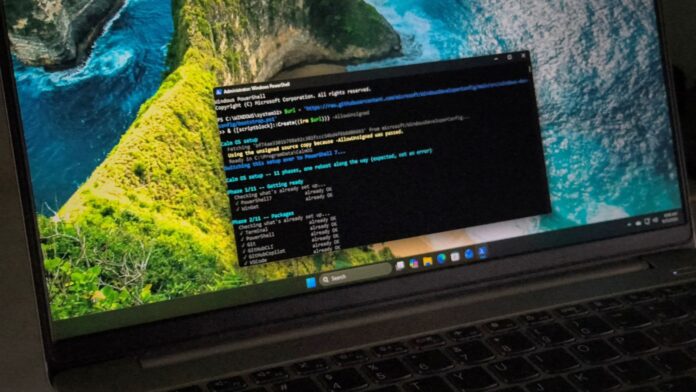
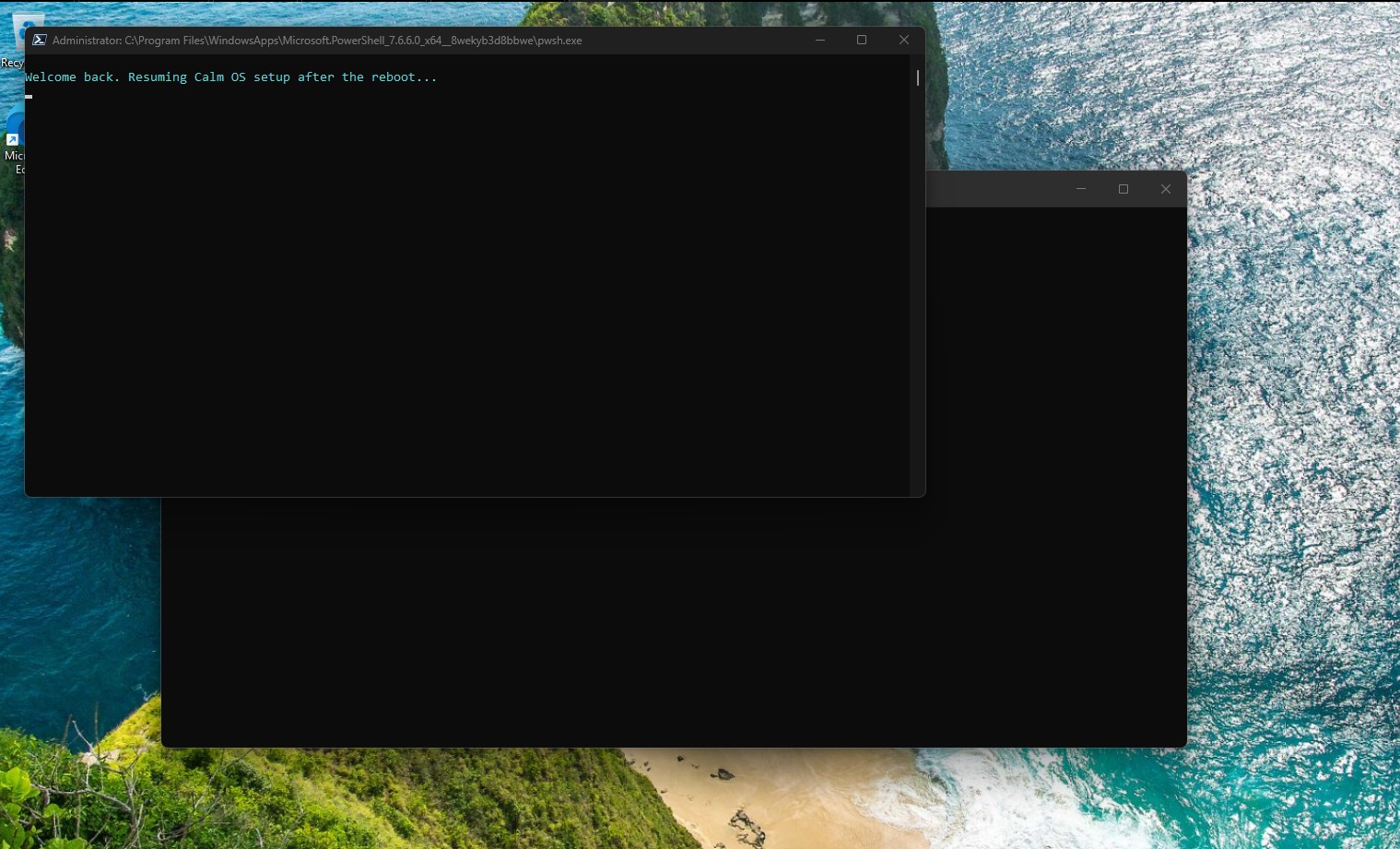
To activate Windows Developer Config, open a PowerShell window. MS says that it does not need to be elevated, but my PC displayed an error and worked only after I ran PowerShell as an administrator. Then paste the following commands:
$url = 'https://raw.githubusercontent.com/MS/WindowsDeveloperConfig/main/src/windows-dev-config/bootstrap.ps1'
& ([scriptblock]::Create((irm $url)))
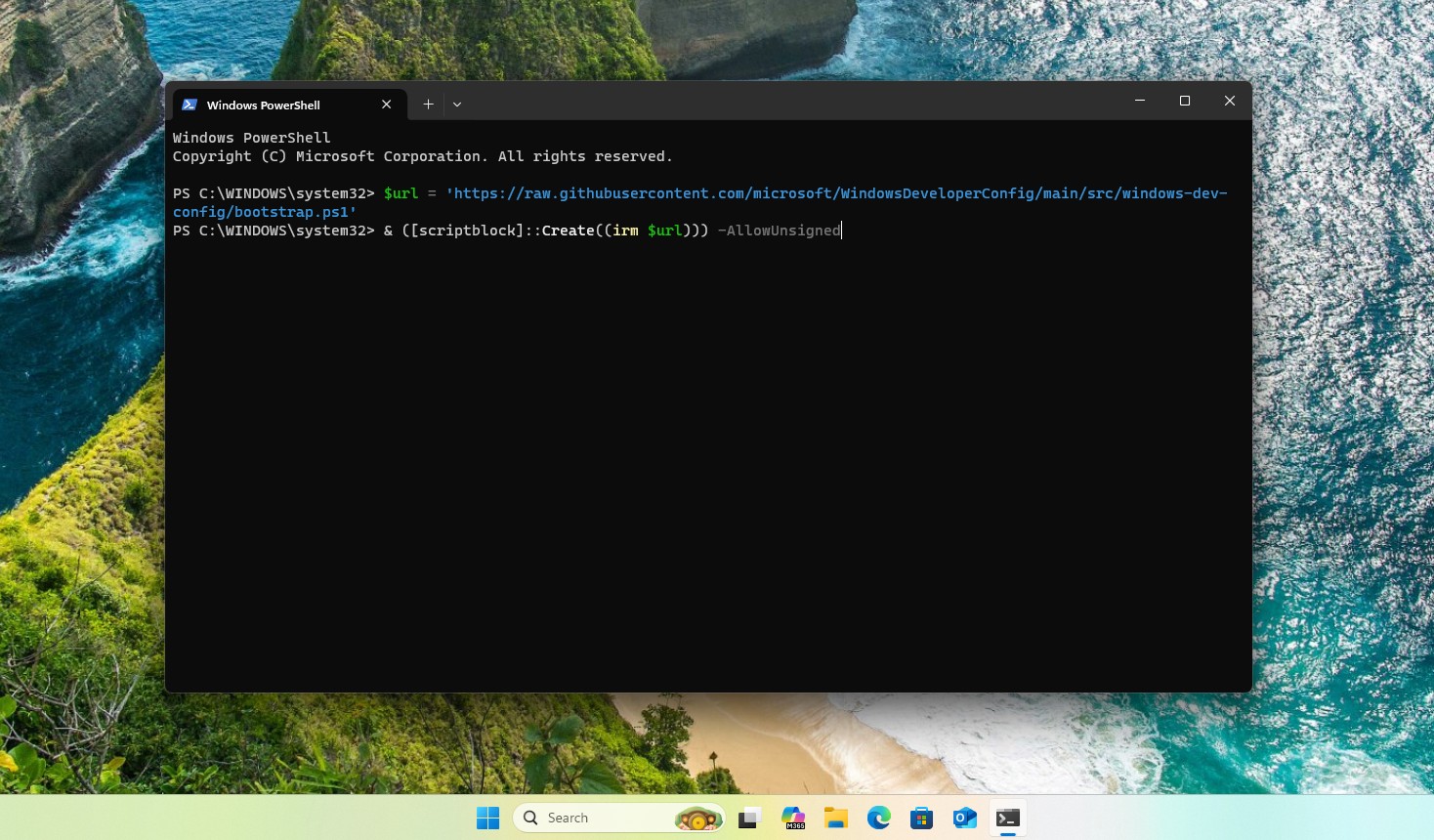
The command downloads the bootstrap script, requests UAC elevation if necessary, verifies the MS Corporation signature on every script it runs, copies everything to an administrator-protected folder under %ProgramData%\CalmOS, and begins working. The name CalmOS is admittedly amusing.
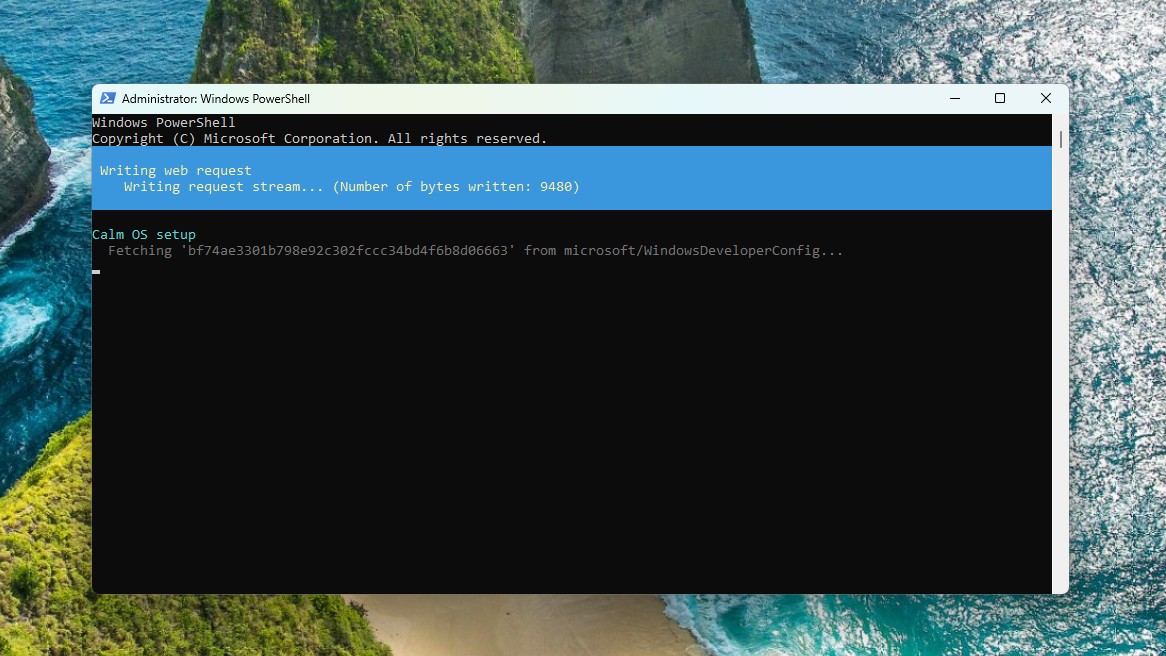
MS estimates that the process takes approximately 30 minutes on a clean machine with a good internet connection. Most of that time is spent downloading VS Code, the .NET SDK, PowerToys, and Ubuntu. My PC took roughly the same amount of time.
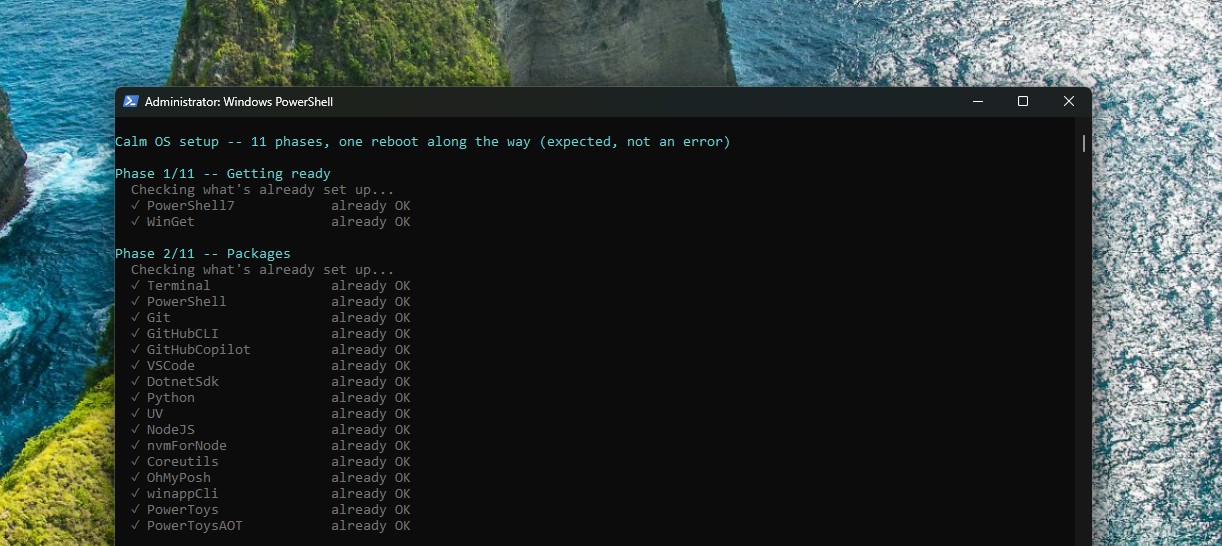
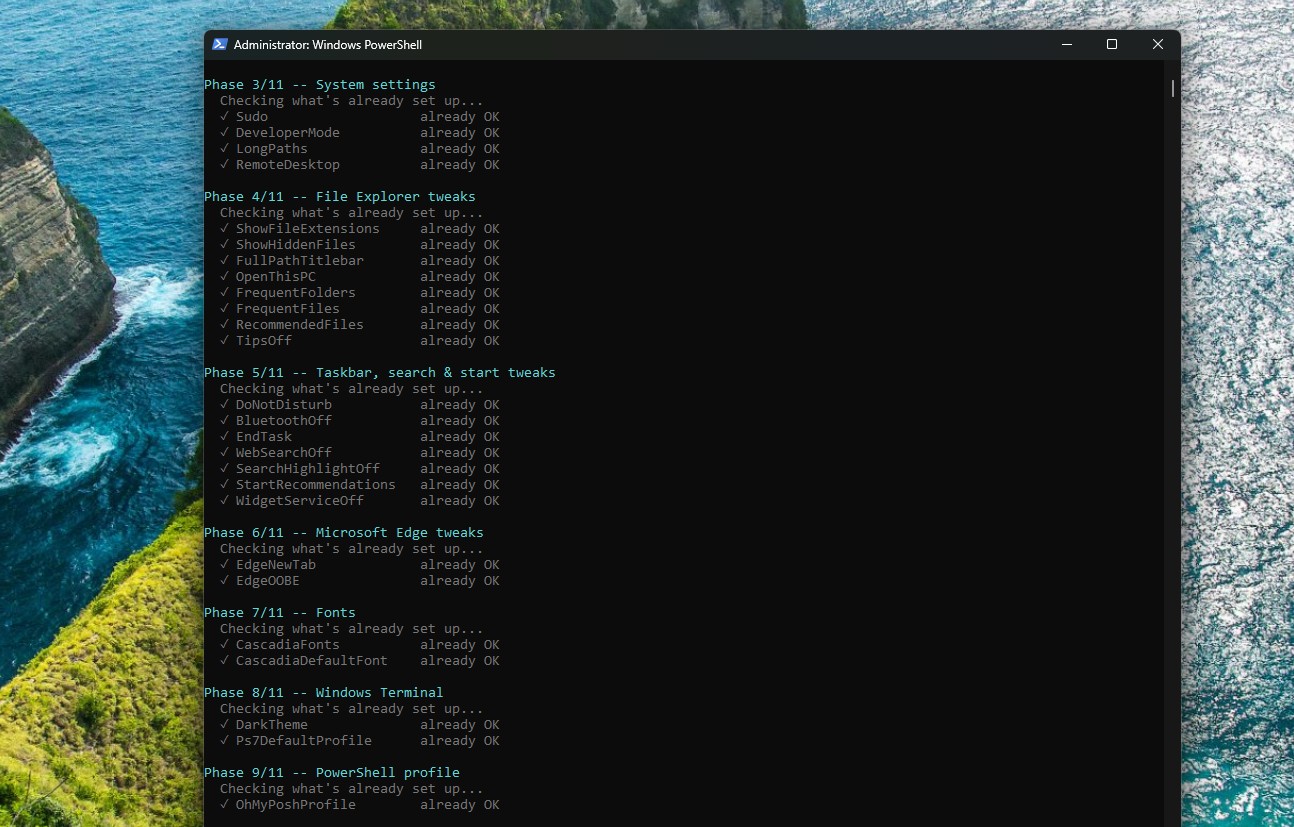
Ten of the 11 phases run first, covering packages, system settings, File Explorer, the taskbar and Search, Edge policies, fonts, Windows Terminal, the PowerShell profile, and GitHub Copilot.
WSL and Ubuntu are installed last because enabling WSL requires a Windows optional feature and a restart. A 10-second warning appears before the reboot. After you sign back in, a scheduled task named WindowsDevConfigResume resumes the process in approximately 30 seconds, and a second UAC prompt completes the job. Unlike some Windows updates, the PC restarts only once.
Every System Setting Changed by Windows Developer Config
Before setting expectations too high, it is important to emphasize that this is not one of the Windows debloating tools commonly found online, nor is it a Windows AI removal tool. We recommend avoiding such tools because they are not officially supported by MS.
Windows Developer Config changes the small default settings that many developers wish Windows already included. It enables Developer Mode, Windows Sudo in inline mode, Win32 long-path support, and Remote Desktop system-wide.
MS groups all 24 registry changes into six categories across Phases 3 through 9, in addition to the package installations in Phase 2. The following changes are presented in that same order.
All 15 packages are installed silently through winget from the winget source, with agreements accepted in advance. A package is considered complete only after winget reports that it is both installed and current. As a result, re-running the configuration also installs available updates.
File Explorer
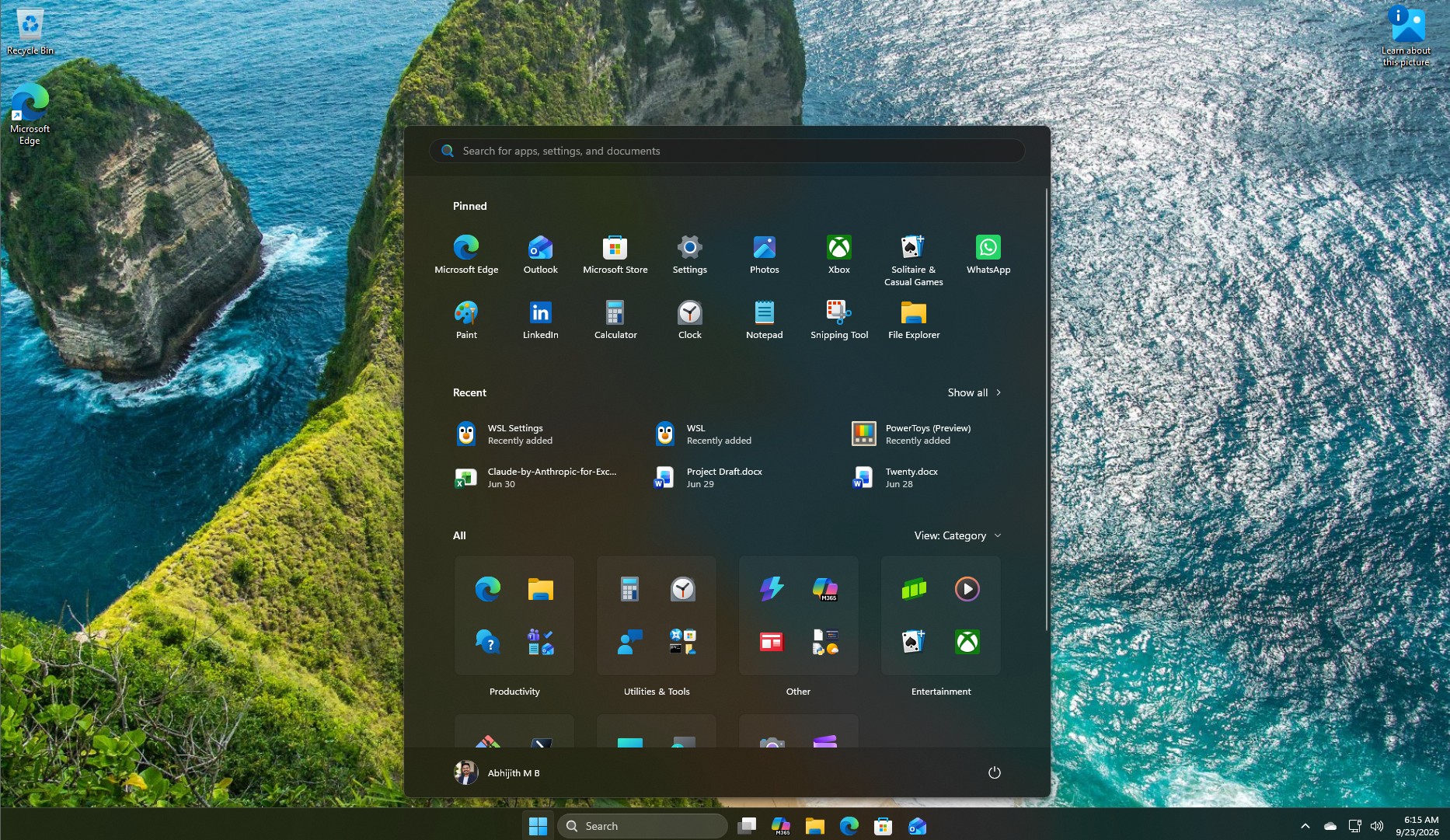
File Explorer displays file extensions and hidden files, shows the full path in the title bar, and opens to This PC instead of Quick Access. It also removes frequent folders, recent files, cloud recommendations, and sync-provider tips from the sidebar.
Taskbar, Start, and Search
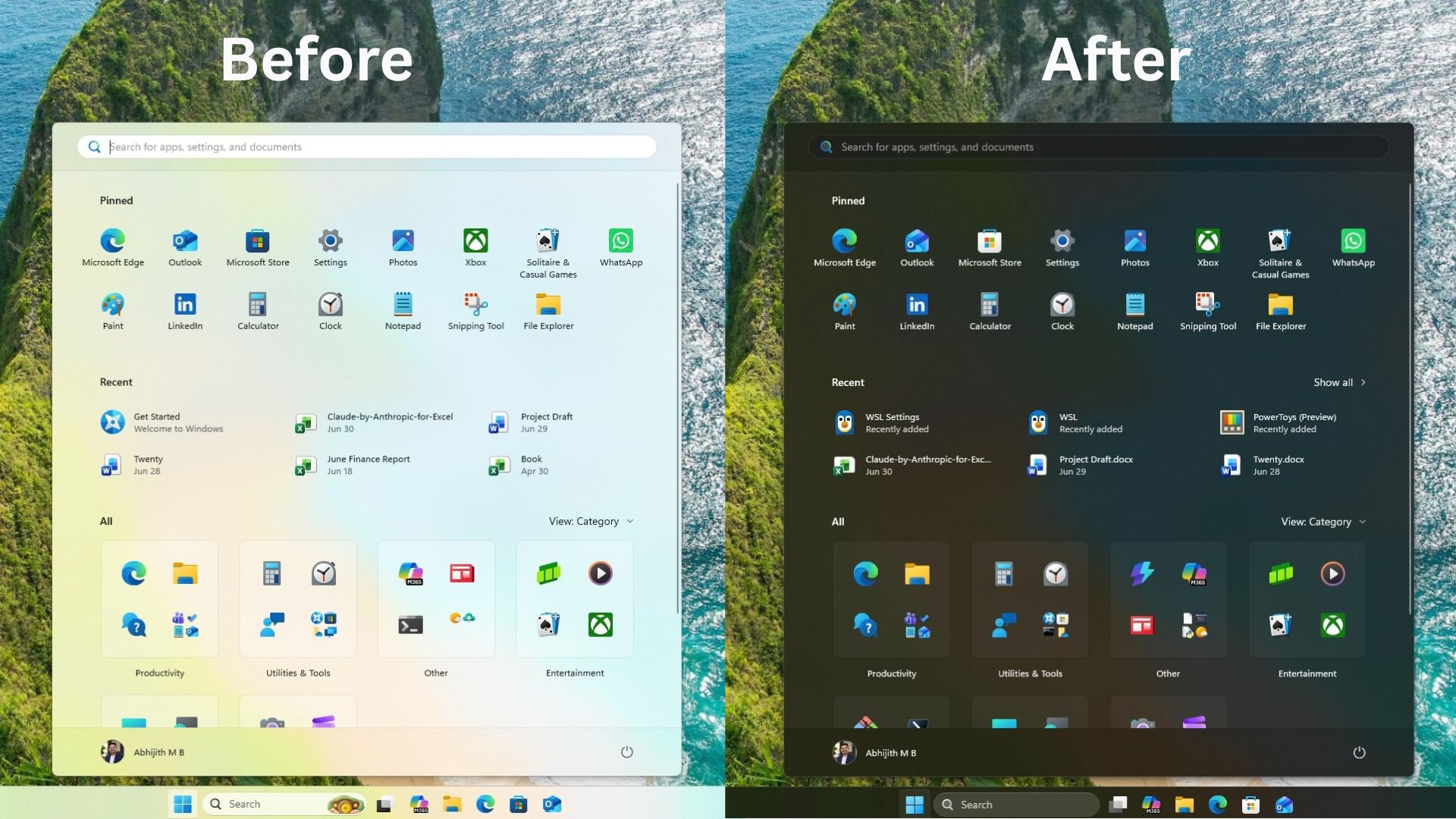
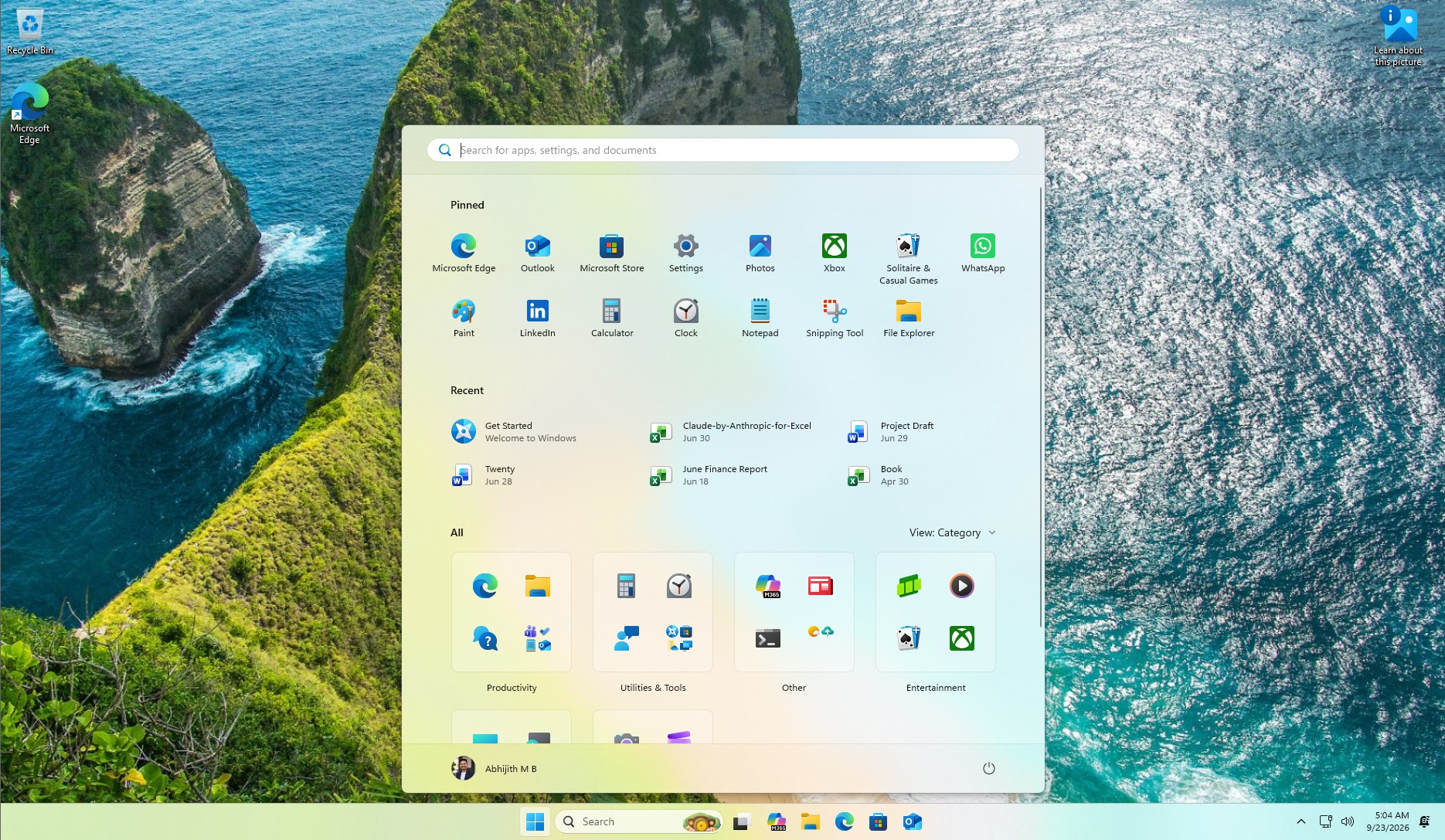
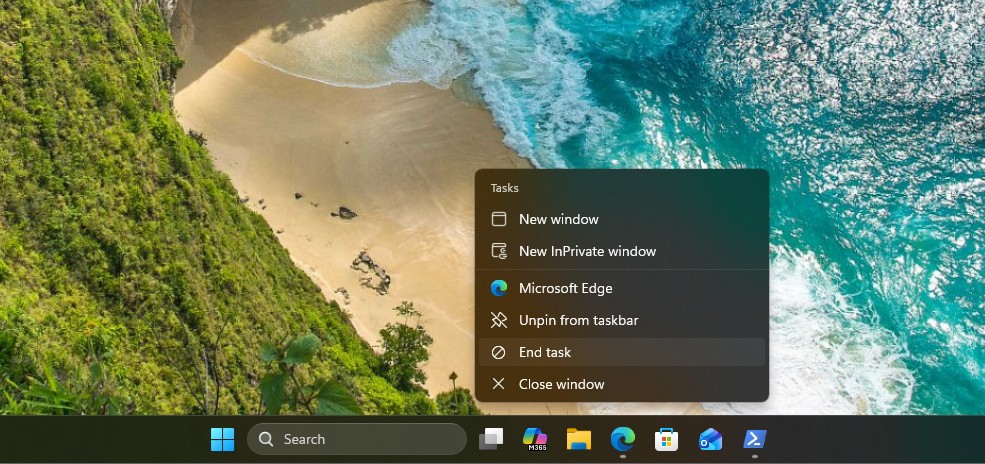
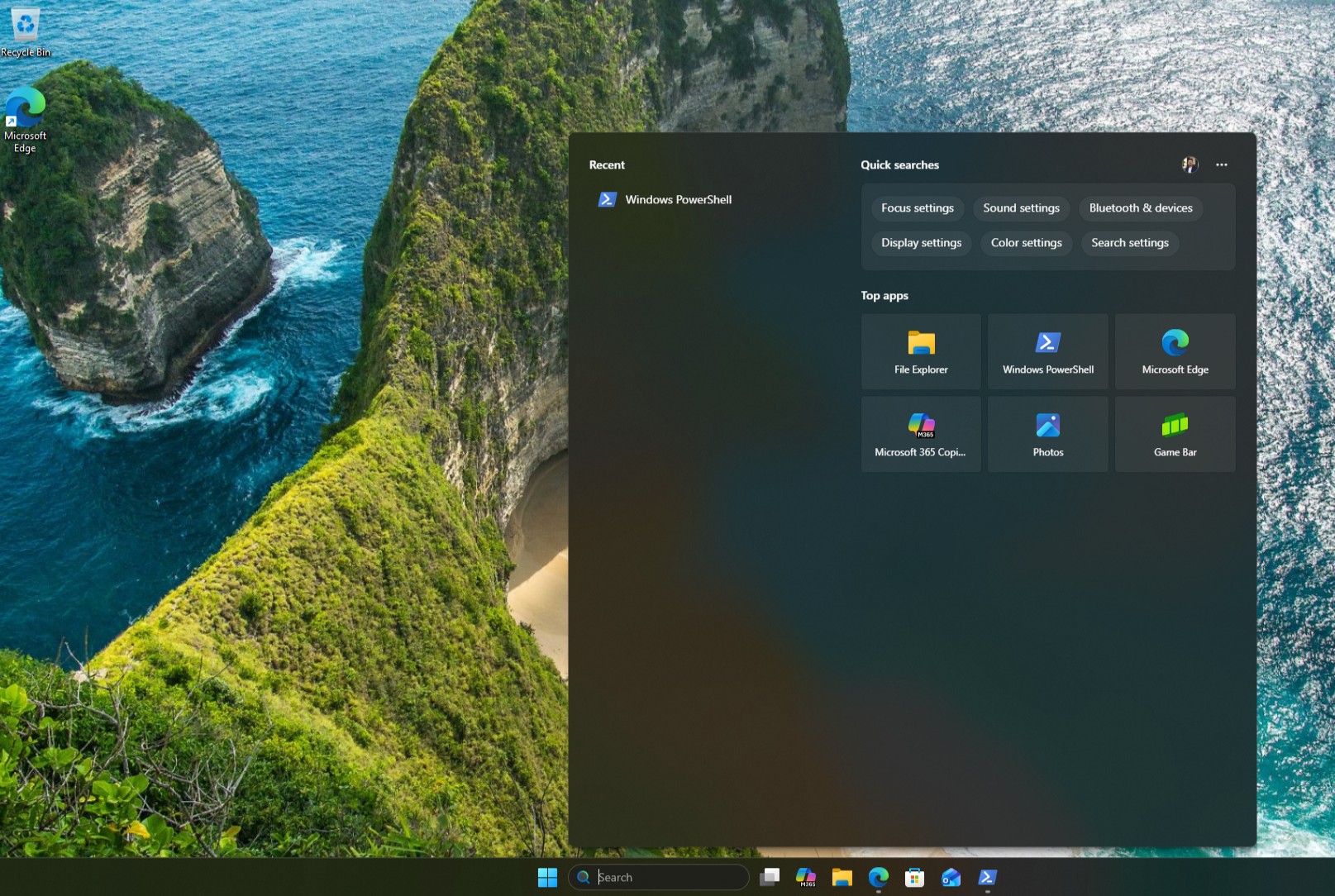
On the taskbar and Start menu, End Task is added to the right-click menu, web results and search highlights are removed, Start recommendations are disabled, and Widgets are turned off through the operating system’s policy value. The per-user Widgets toggle no longer works on Windows 11 24H2 and later. PowerToys also stops displaying always-on-top notifications.
Notifications and MS Edge
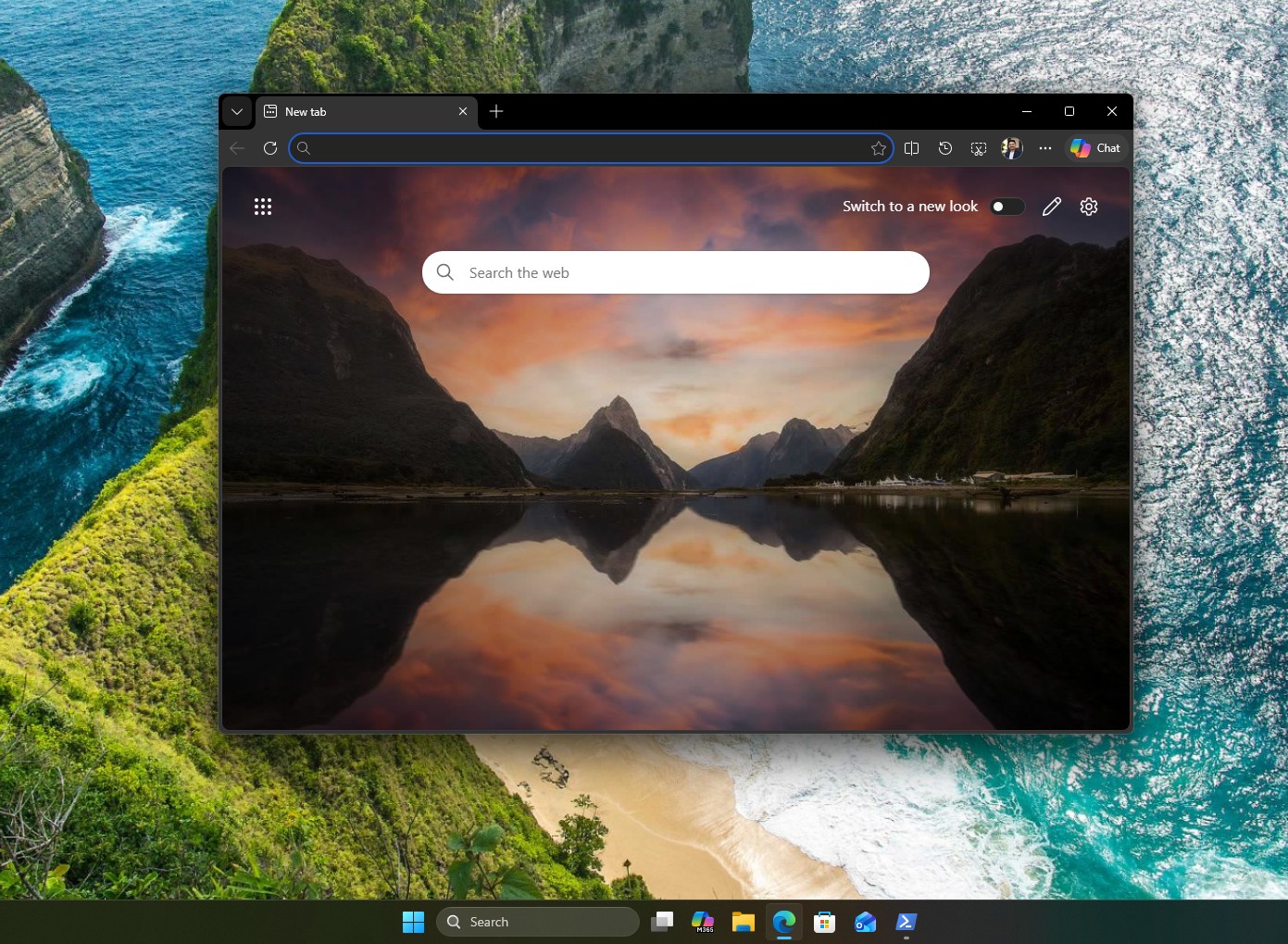
Do Not Disturb is enabled globally. MS Edge receives a blank new-tab page, and its first-run experience is suppressed. These steps do not remove any Windows components; they suppress defaults designed to sell or display additional content.
Appearance, Windows Terminal, and PowerShell
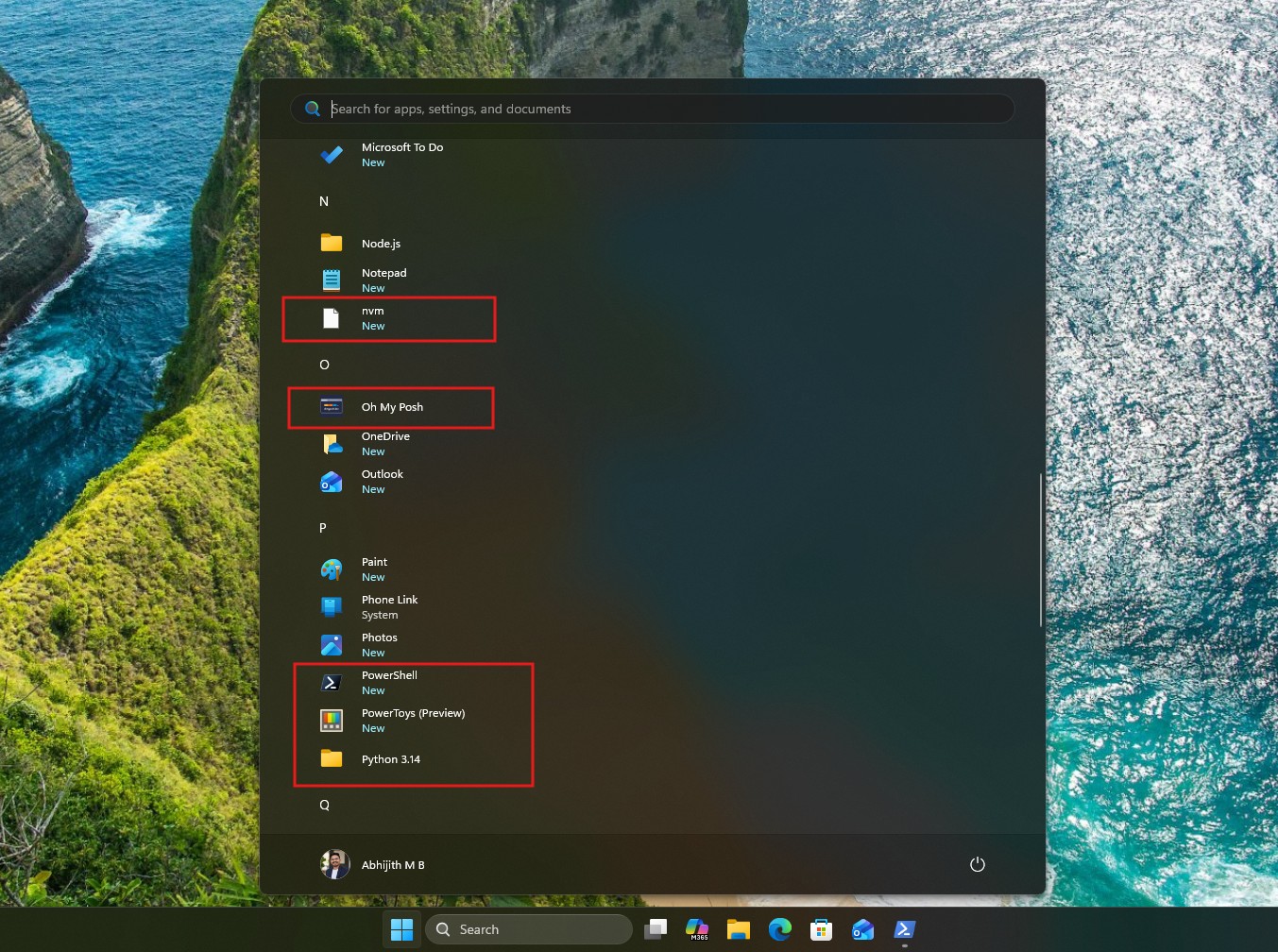
Dark mode is enabled for both apps and the system. Windows Terminal uses PowerShell 7 as its default profile and Cascadia Mono Nerd Font as its default typeface, while Oh My Posh initializes directly from the PowerShell profile.
Instead of downloading the latest available version, MS pins Cascadia Code release 2407.24 and verifies it against a known SHA-256 hash before installing it system-wide.
It Installs Almost Everything a Developer Needs
The package list is extensive:
- Windows Terminal
- PowerShell 7
- Git
- GitHub CLI
- GitHub Copilot CLI
- Visual Studio Code
- .NET SDK 10
- Python 3.14 with uv
- Node.js LTS
- nvm for Windows
- Coreutils for Windows
- Windows App CLI
- Oh My Posh
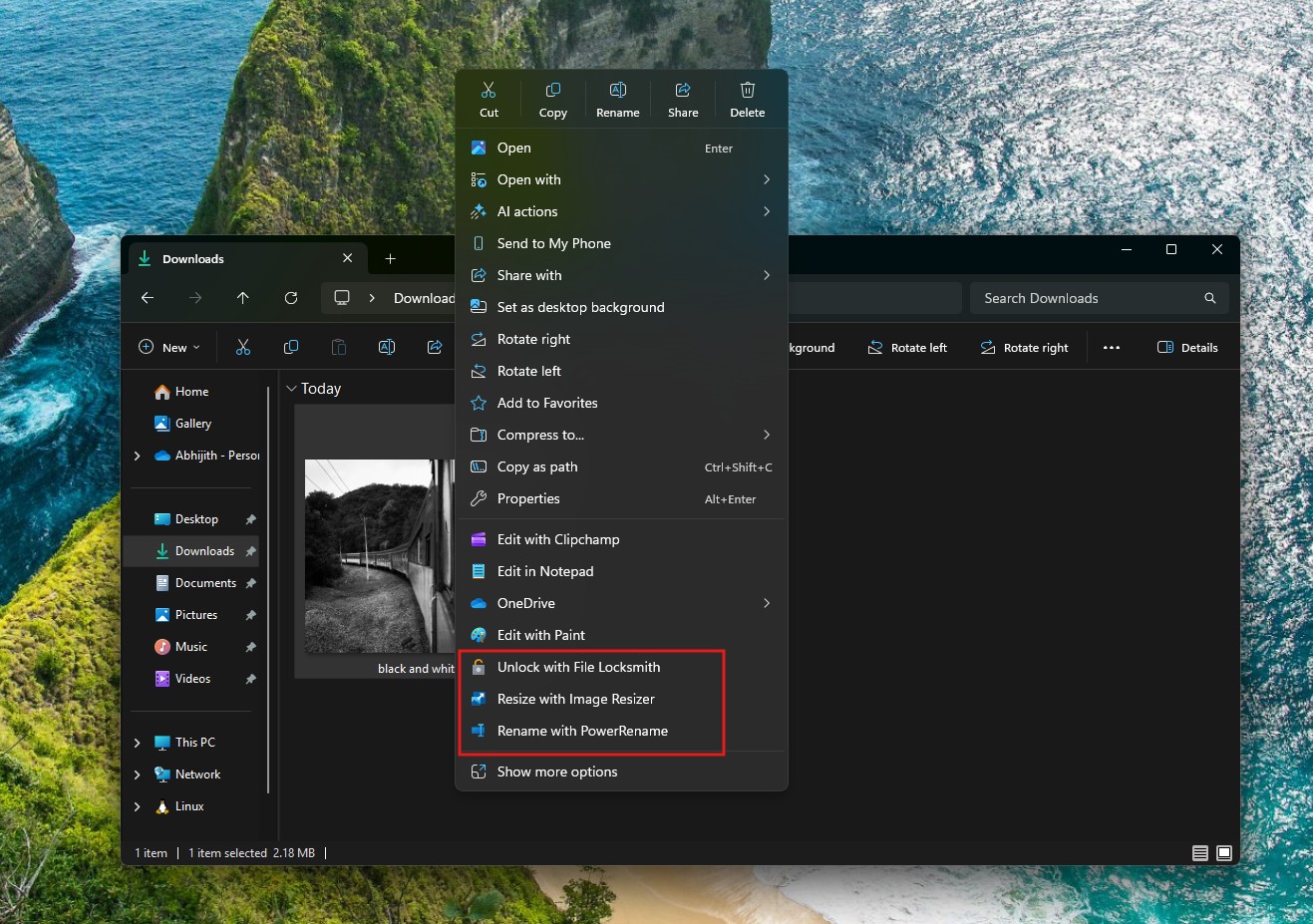
- PowerToys
All packages are installed through winget. A package is considered complete only when winget reports that it is installed and current, so running the configuration again also applies available updates.
The base configuration installs both Node.js LTS and nvm for Windows during the same process. These are different methods of managing Node.js, and MS recommends uninstalling the direct Node.js installation if you want nvm to control your PATH.
GitHub issue #55, filed on June 3, 2026, documents this conflict between the main configuration installing nvm4w and the TypeScript workload installing Node.js LTS. You should therefore decide which manager you want before both are installed on the same machine.
The configuration also supports two developer-specific additions. It can install WinUI templates for dotnet new and register MS’s Windows Development Skills and WinUI plugin with GitHub Copilot CLI. This is part of the native-code initiative that enables Copilot to scaffold a native WinUI application in approximately 30 minutes without Visual Studio.
It Also Provides Linux, a Shell Overhaul, and Eleven Language Toolchains
Windows Developer Config installs the WSL platform and Ubuntu during its final phase. However, MS notes that the base configuration does not modify anything inside Ubuntu. That responsibility belongs to a separate tool in the same repository called WSL Comfort.
Windows Developer Config provides the workstation, development tools, and a functional WSL and Ubuntu installation. WSL Comfort transforms that Ubuntu environment from a bare distribution into a more complete developer shell. The addition of Linux components is significant, particularly because MS is aware that many developers choose Linux or macOS instead of Windows.
WSL Comfort runs interactively by default and allows you to select individual components, including:
- zsh or bash
- An optional Starship prompt
- Modern command-line tools, including fzf, ripgrep, fd, bat, eza, zoxide, and jq
- Optional clipboard shims
- Optional Homebrew support
- Sensible Git defaults
- A themed Windows Terminal profile using the same Cascadia Code Nerd Font
It can also run unattended with -NonInteractive and offers a smaller --minimal mode. This aligns with the direction of WSL Containers, which can replace Docker Desktop and now provides faster file access and networking.
Canonical has stated that Ubuntu usage through WSL is growing faster than native Ubuntu desktop installations, making this repository a contributor to that trend.
For developers who need only one language, the repository also includes 11 standalone workloads. Each workload consists of a configuration.winget file and a matching installation script that refreshes PATH afterward.
Note that the WinForms and WinUI 3 workloads both download several gigabytes of Visual Studio components.
Although it may appear that MS is enforcing predetermined defaults, the company is not attempting to move every developer to an identical setup. Instead, it is creating a collection of reproducible starting points.
A PowerToys Command Palette extension is also planned. It will read the same flow list, turning each workload into a launchable entry rather than requiring users to remember a file path. However, it currently exists under src/future/cmdpal and has not yet shipped.
Important Limitations and Trade-Offs
Because Windows Developer Config is specifically designed for software development, some configurations may not be ideal for everyday use. It enables Remote Desktop system-wide, although the firewall rule remains closed. It also writes two MS Edge settings as policies, causing Edge to display the message “Managed by your organization.”
Global Do Not Disturb silences notifications from every app at all times. Windows Terminal’s settings.json file is processed through JSON, removing any existing comments, although MS first creates a .bak backup copy.
The command provides no automatic uninstaller, no runtime interface for selecting individual components, and no dry-run mode.
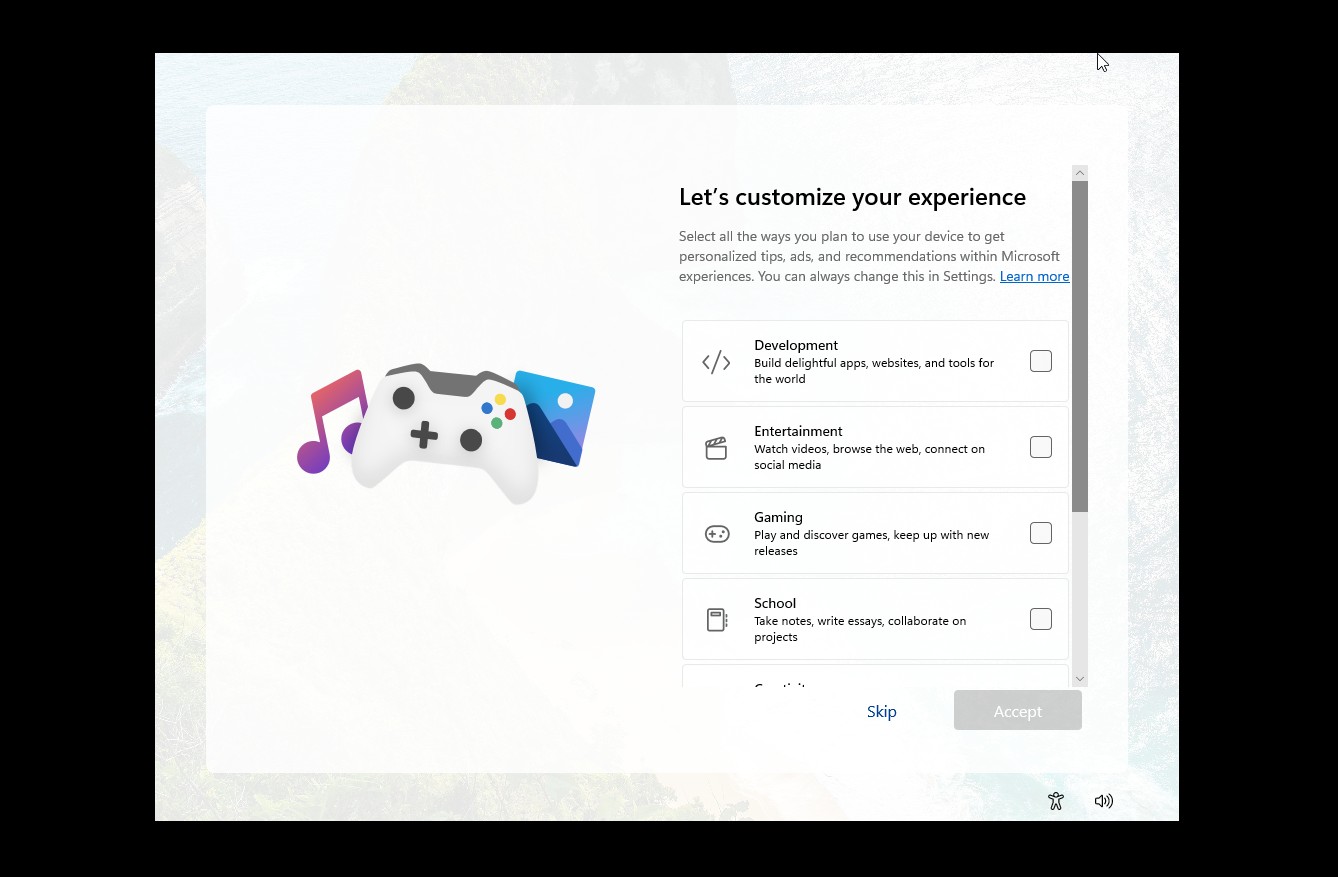
Regarding debloating, the configuration does remove MSN, Widgets, and several other upsells. During Windows installation, MS already displays a customization page where users can select Development, Entertainment, Gaming, and other preferences. Hopefully, selecting Development alone will eventually apply the same changes provided by Windows Developer Config.
Windows Developer Config is not merely another script that removes a few preinstalled apps and changes several registry keys. It represents MS publicly documenting and automating the Windows configuration work that developers have performed manually for years.
Windows Latest depends on readers like you. Make us your preferred source on Google Discover and Google Search, and help our independent reporting reach more people.
If you're planning to upgrade your PC, Windows 11 OEM keys are the most cost-effective way to get a legitimate license. Whokeys.com offers Windows 11 OEM at competitive prices with instant delivery and activation guarantee. Check it out if you're in the market for a reliable, affordable option.