
 STEAM
STEAM
 PC Game

Microsoft Encourages Native App Development for Windows 11 at Build 2026
At the Build 2026 developer conference, Microsoft urged developers to prioritize building native apps for Windows 11. While the company did not explicitly discourage the use of web apps, it marked one of the rare instances where Microsoft emphasized its WinUI framework over other options like Electron or React Native.
Windows, once Microsoft’s flagship product, has taken a backseat in recent years. However, this seems to be changing in 2026. Microsoft has committed to rebuilding Windows 11 to enhance quality, performance, and reliability, with a renewed focus on native apps as part of this strategy.
To achieve this, Microsoft has formed a new team dedicated to creating native apps for Windows 11. This includes rewriting key aspects of the operating system, such as the Start menu, which was originally built using React Native (specifically the Recommended feed and All Apps list).
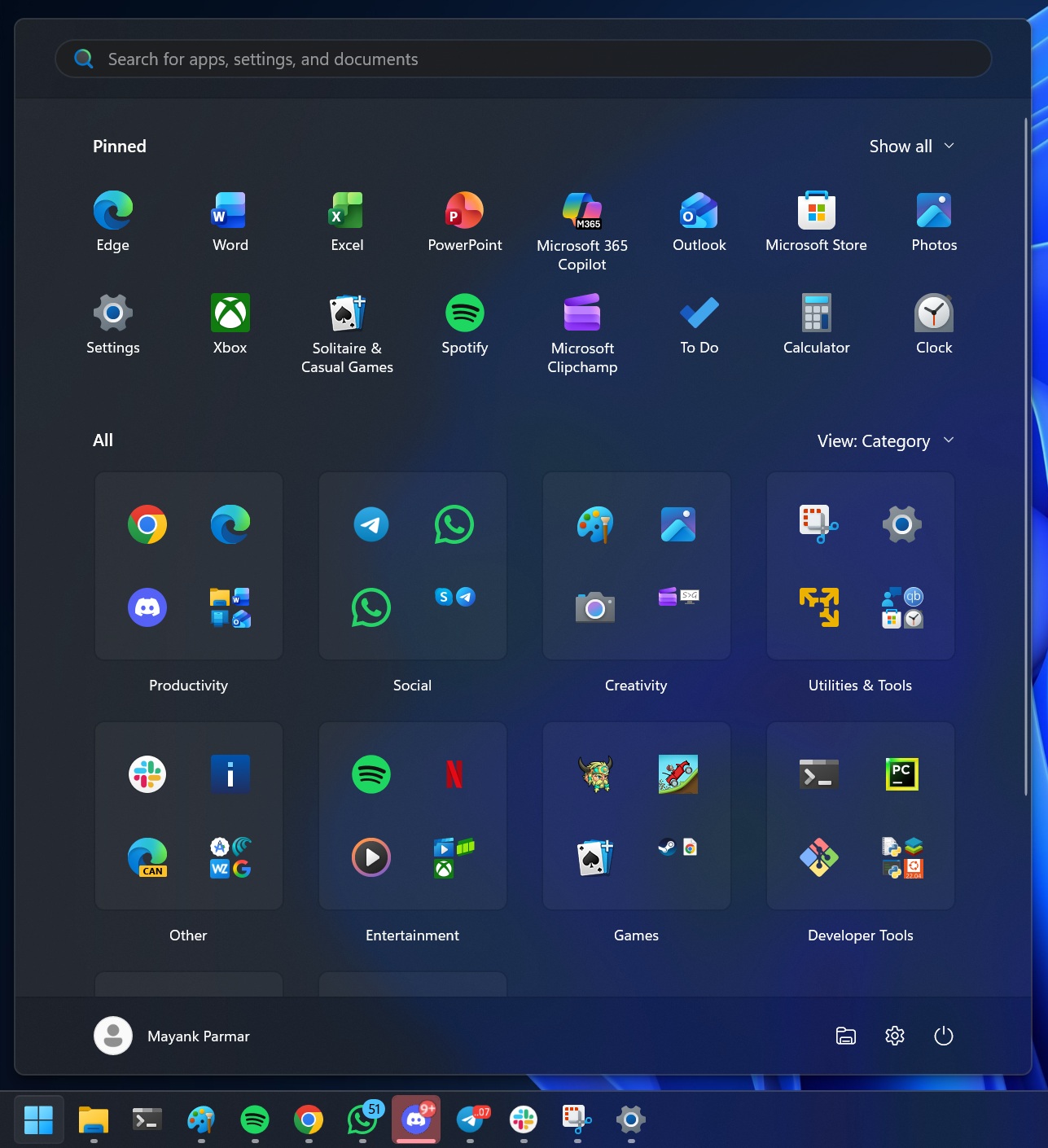
At Build 2026, Microsoft announced its full commitment to WinUI, stating that it has no plans to develop another framework.
Microsoft’s Vision for WinUI as the Native UI Framework
Microsoft outlined plans to focus on the fundamentals of WinUI, aiming to improve stability, reduce memory usage, and introduce new development tools. The company is also dropping the "WinUI 3" branding, referring to it simply as “WinUI.” This change underscores Microsoft’s intent to establish WinUI as a long-term, stable framework rather than introducing yet another new tool.
During the conference, Chris Anderson, VP of Software Engineering at Microsoft, reaffirmed the company’s dedication to WinUI, stating, “We have no intention of building a new framework.” He emphasized that Microsoft is addressing "gaps" in the framework to make it competitive with other options.
One key issue being tackled is the tearing effect (black borders) when resizing WinUI apps. Anderson noted, “The first and foremost is performance, fundamentals, quality, fixing a lot of bugs.” Microsoft is heavily investing in improving memory usage and transitioning to a system compositor.
Additionally, new features such as DataGrid and Charting support are being developed to meet enterprise needs. These features are essential for applications like financial software, HR dashboards, and admin tools, making WinUI more appealing to enterprise developers.
Microsoft is also optimizing WinUI for the agentic era, integrating AI workflows to facilitate faster iteration and AI-assisted coding. Developers will benefit from enhanced tools tailored for modern app development.
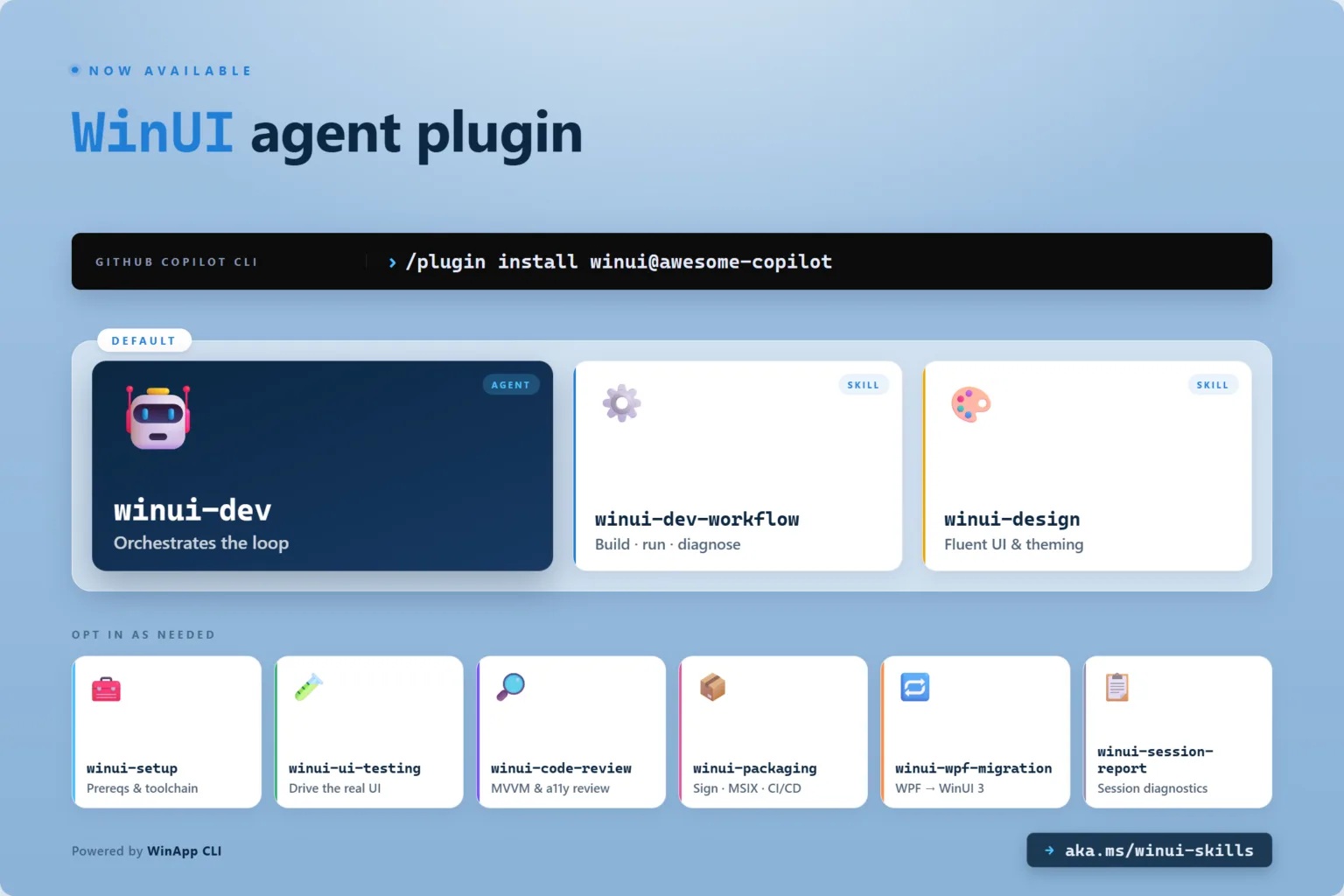
New platform capabilities are being introduced to enable agents to assist developers in planning, building, and optimizing WinUI apps. This includes automating parts of the development lifecycle, whether for creating new apps or migrating legacy applications to the modern Windows UI stack.
Microsoft's Stance on Other Frameworks
While Microsoft is heavily promoting WinUI, it is not opposing other frameworks. Windows remains an open platform that supports a variety of frameworks, including Electron, React, Python, and WinForms. However, Microsoft aims to make WinUI more attractive by ensuring it is modern, AI-friendly, open-source, and less risky for developers.
The company is also improving interop capabilities, such as making WinForms interop with WinUI “bulletproof” and enhancing WPF migration support, allowing developers to seamlessly mix older technologies with WinUI.
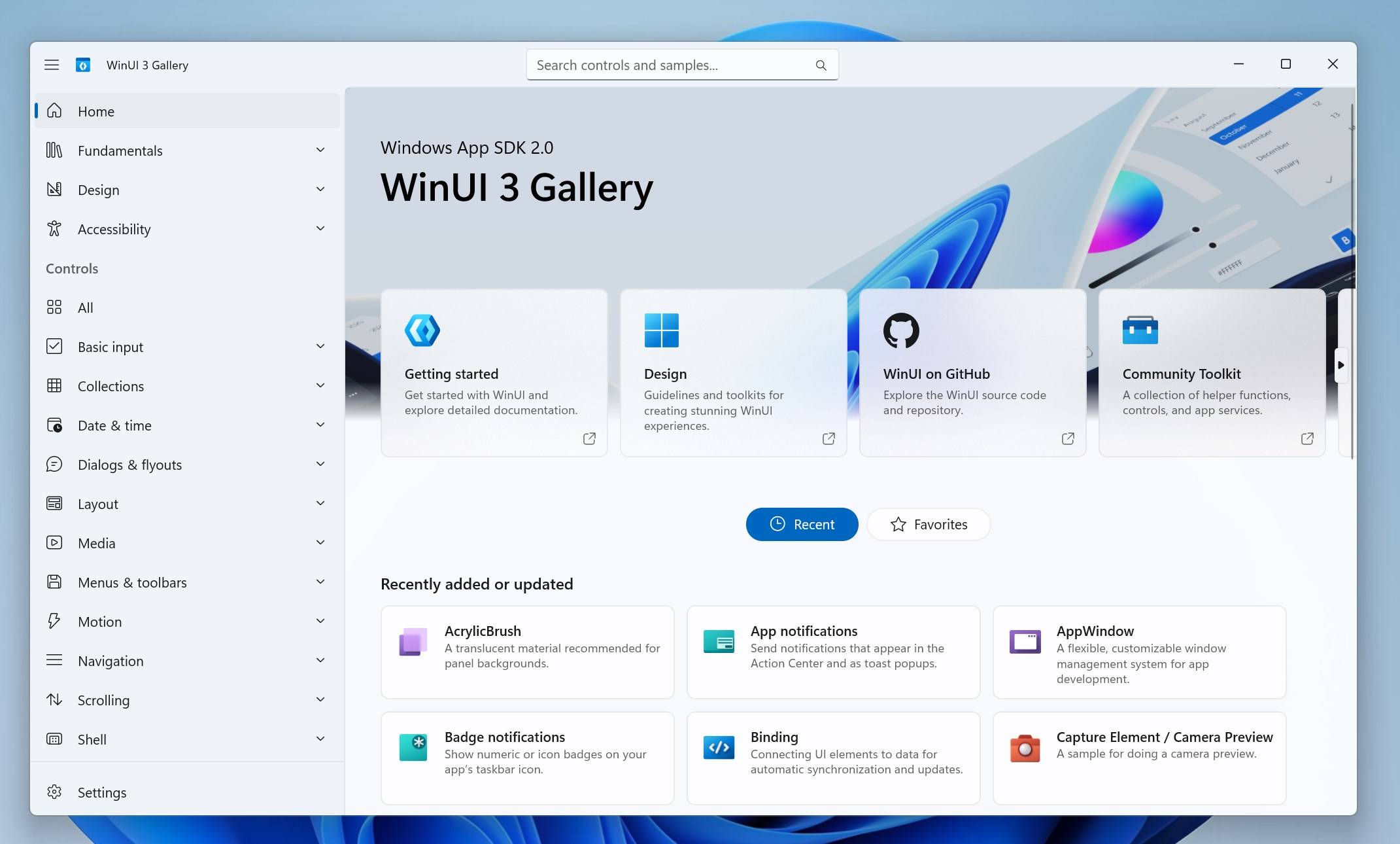
Microsoft highlighted plans to move its development process to public repositories, fostering transparency and collaboration within the developer community.
Build 2026: Renewed Focus on Windows
The Build conference has historically been a platform to discuss Windows, Azure, GitHub, and other Microsoft products. Over the years, the focus on Windows has waned, shifting toward Azure and even Linux. However, Build 2026 marked a return to Windows-centric discussions, with significant attention given to native app development.

For the first time in years, Microsoft emphasized its commitment to rewriting the Windows shell in WinUI, promising a consistent user experience across the operating system. This renewed focus signals that Windows is once again a priority for Microsoft.
As Windows enters a new era, it’s clear that Microsoft is serious about re-establishing its position in the native app development space. What improvements would you like to see in Windows? Share your thoughts in the comments, and Microsoft might take them into consideration!