STEAM
STEAM
 PC Game

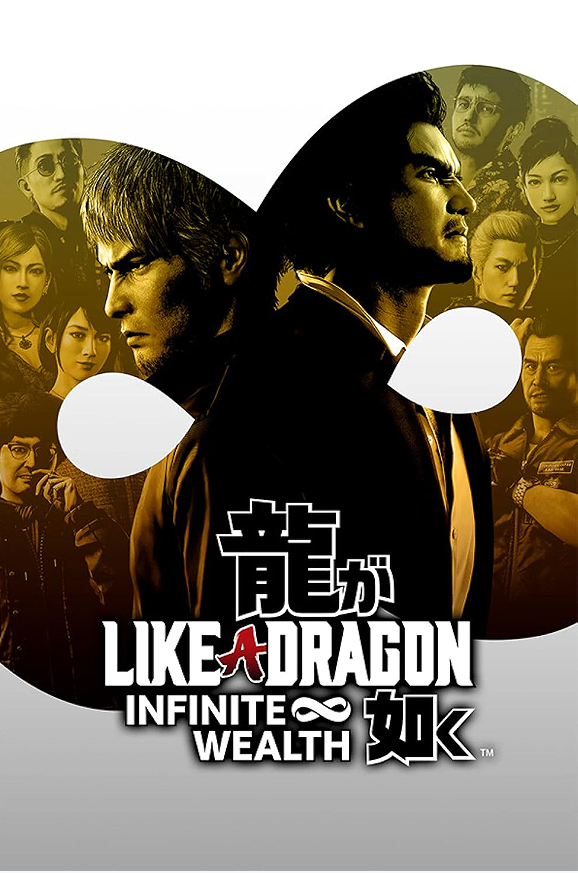
Yakuza / Like a Dragon Series Producer Reflects on Two Decades of Evolution
Masayoshi Yokoyama, producer of the Yakuza / Like a Dragon series, identifies one achievement as his greatest source of pride: the growing openness with which fans—and even developers—can express their enjoyment of the series.
A 20-Year Journey from Niche to Global Phenomenon
The Yakuza series celebrates its 20th anniversary this year, with the original title launching in Japan on December 8, 2005. From modest beginnings, it has evolved into a consistent creative and commercial force—releasing new entries nearly every year (with an exceptional three releases between February 2023 and February 2024) and cultivating a massive worldwide fanbase, despite early entries lacking official English localization.
From Stigma to Celebration: A Cultural Shift
In an interview with the PlayStation Blog, Yokoyama was asked what he is most proud of when comparing the series today to its origins two decades ago. His answer centered on shifting perceptions: “People can finally say they enjoy the Like a Dragon series more openly.”
He elaborates: “In the past, it wasn’t something you could really say out loud; its reputation and brand image made it hard to talk about publicly.” During the franchise’s early years, even internal team members concealed their involvement—some hiding it from parents or romantic partners.
That began to change around the series’ 10-year mark: “More staff began proudly acknowledging their work on the series.” Yokoyama recalls a telling anecdote: “There was even a case where being part of the project helped someone gain approval for marriage from their partner’s parents.” For him, that moment crystallized how profoundly the series’ global presence and cultural perception had transformed.
Why Was It Once Considered Taboo?
While Yokoyama did not specify the precise reasons behind the earlier stigma, his reference to the series’ “brand image” suggests the core sensitivity stemmed from its central premise: playing as a member of the Japanese yakuza—not from the series’ signature over-the-top moments (e.g., brawling with diaper-clad adults role-playing as babies). Even though protagonist Kazuma Kiryu is consistently portrayed as deeply virtuous and rarely engages in criminal acts, the association with organized crime remained a significant social hurdle—particularly in light of contemporary reactions to titles like Rockstar’s Bully, released just one year later.
For those looking to explore the franchise’s highlights, check out our definitive ranking: The Best Yakuza Games, Ranked—which, on solid authority, includes several Like a Dragon entries.