STEAM
STEAM
 PC Game

In What Order Should You Play the Yakuza Games?
As the Yakuza series—known officially now as Like a Dragon—gains more traction in the West, a growing number of players are asking: “What’s the best order to play the Yakuza games?” It’s heartening—and, perhaps, a little intimidating—to see such enthusiasm. To fully appreciate the series in its most rewarding form, there is an ideal path. However, if you’re pressed for time or simply want to test if the franchise aligns with your tastes, there are accessible entry points as well. So hop on your bike—and let’s dive into it together.
Recommended Play Order
In my opinion, the most fulfilling way to embark on the Yakuza journey is to start from the beginning—even if it’s a long one. Begin with Yakuza 0, and then follow this mostly chronological order:
- Yakuza 0
- Yakuza Kiwami
- Yakuza Kiwami 2
- Yakuza Kiwami 3 & Dark Ties
- Yakuza 4 Remastered
- Yakuza 5 Remastered
- Yakuza 6: The Song of Life
- Yakuza: Like a Dragon
- Like a Dragon Gaiden: The Man Who Erased His Name
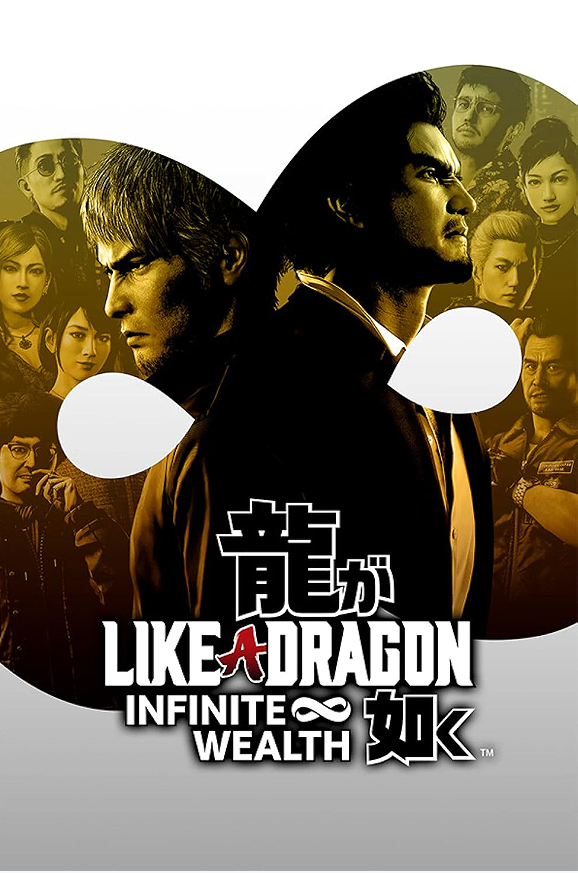
- Like a Dragon: Infinite Wealth
- Like a Dragon: Pirate Yakuza in Hawaii
- Like a Dragon: Ishin!
That said, there are two alternative approaches. First: If committing to eight or more mainline entries feels daunting, Yakuza: Like a Dragon works wonderfully as a standalone starting point. It represents a clean break from the Kiryu-centric narrative—taking place after Yakuza 6—and introduces a new cast of characters. You won’t miss any crucial story details, though familiarity with earlier games will deepen your appreciation for its bold reinvention of the series’ tone, structure, and gameplay. Second: For strict chronological purists, Like a Dragon: Ishin! begins the timeline centuries earlier—set during the late Edo period. While its all-star cast features reimagined versions of characters from Yakuza 0 through 6, many references resonate more after experiencing the modern-era games. Even so, it remains highly accessible at any point—just consider playing Yakuza 0 first to ground yourself in the key ensemble.
Watch on YouTube
Ultimately, the series’ intricate continuity, recurring characters, and evolving themes make chronological play the most narratively cohesive option. Starting with Yakuza 0 not only delivers one of the franchise’s strongest entries, but also provides vital context for Kazuma Kiryu’s origins, motivations, and moral compass. Moving into Kiwami—a complete remake of the 2005 original—you’ll feel the emotional weight behind every betrayal and decision. By the time you reach Kiwami 2, 3, and beyond, you’ll never wonder, “Am I missing something?”—because you won’t be.
Scroll down for our full ranked guide, explaining each title’s place in the broader saga and how it stacks up in terms of narrative depth, gameplay mechanics, and overall impact.
Yakuza 0

Not only is Yakuza 0 the best Yakuza game, it’s the definitive place to start. Set in 1980s Kamurocho, it tells two parallel origin stories—Kazuma Kiryu’s and Goro Majima’s—amid a backdrop teeming with iconic minigames and unforgettable characters: Mr. Libido, Mr. Shakedown, Pocket Circuit Fighter, and more. Alternating between their narratives, both men delve deeper into the yakuza underworld—testing loyalty, ambition, and their sense of self in ways that define the entire series.
The plot unfolds methodically, but once it picks up momentum, it’s utterly gripping. Majima’s arc, in particular, stands out—his chaotic energy in Sotenbori (inspired by Osaka’s Dotonbori) evolves into a poignant exploration of sacrifice and devotion. Yakuza 0 isn’t just an introduction—it’s the foundational experience that enhances everything to come.
Yakuza Kiwami

This is where it all started—in 2005—and Kiwami revitalizes it with modern fidelity. Kiryu takes the fall for the murder of a crime boss to protect his sworn brother, Nishikiyama. After a decade-long prison sentence—a recurring theme—the world he returns to is fractured: alliances broken, loyalties twisted, and the Tojo Clan unrecognizable. Majima, Kiryu’s unpredictable “frenemy,” relentlessly pursues him with darkly comedic zeal.
While the core story remains compelling, Kiwami doesn’t have the polish of later installments. Its combat, side activities, and minigames feel dated compared to Yakuza 0 or Kiwami 2. Still, it lays the emotional groundwork—and paves the way for the sequel’s dramatic escalation.
Yakuza Kiwami 2

Ryu Ga Gotoku Studio rebuilt Yakuza 2 on the Dragon Engine—delivering a stunning visual upgrade, expanded minigames, and the acclaimed “Majima Saga,” a powerful new storyline. Kiwami 2 ranks among the series’ absolute best. Kiryu’s focused, almost mythic journey to become the dragon collides with Ryuji Goda—a compelling, menacing antagonist who believes he’s destined to rule. Interwoven with unexpected romance and raw emotion, the result is a masterful blend of brutality and humanity.
Without giving too much away: Majima’s dedicated storyline is deeply moving—especially if you’ve played Yakuza 0. Its emotional punch relies on the history you’ve already lived. The Cabaret Club management minigame is equally engrossing, featuring its own layered narrative—and yes, you can suplex a tiger.